
Appliance Removal Cost Breakdown in Leander, TX — 2026 Pricing Guide & Hidden Fees
Table of Contents
- Factors That Determine Appliance Removal Cost
- Single Appliance Removal Pricing in 2026
- Bulk Appliance Removal & Discounts
- Hidden Fees and What to Watch For
- Leander Market Seasonality and Timing
- How Accessibility Affects Your Bill
- Recycling and Disposal Fees Explained
- Comparing Removal Methods: DIY vs. Professional
- How Leander Costs Compare Regionally
- Getting an Accurate Estimate for Your Appliances
- Money-Saving Strategies for Appliance Removal
- Frequently Asked Questions
- Ready to Schedule Your Appliance Removal
Factors That Determine Appliance Removal Cost
Appliance removal pricing in Leander, TX hinges on several overlapping variables. Understanding each one helps you anticipate your final bill and avoid surprises.
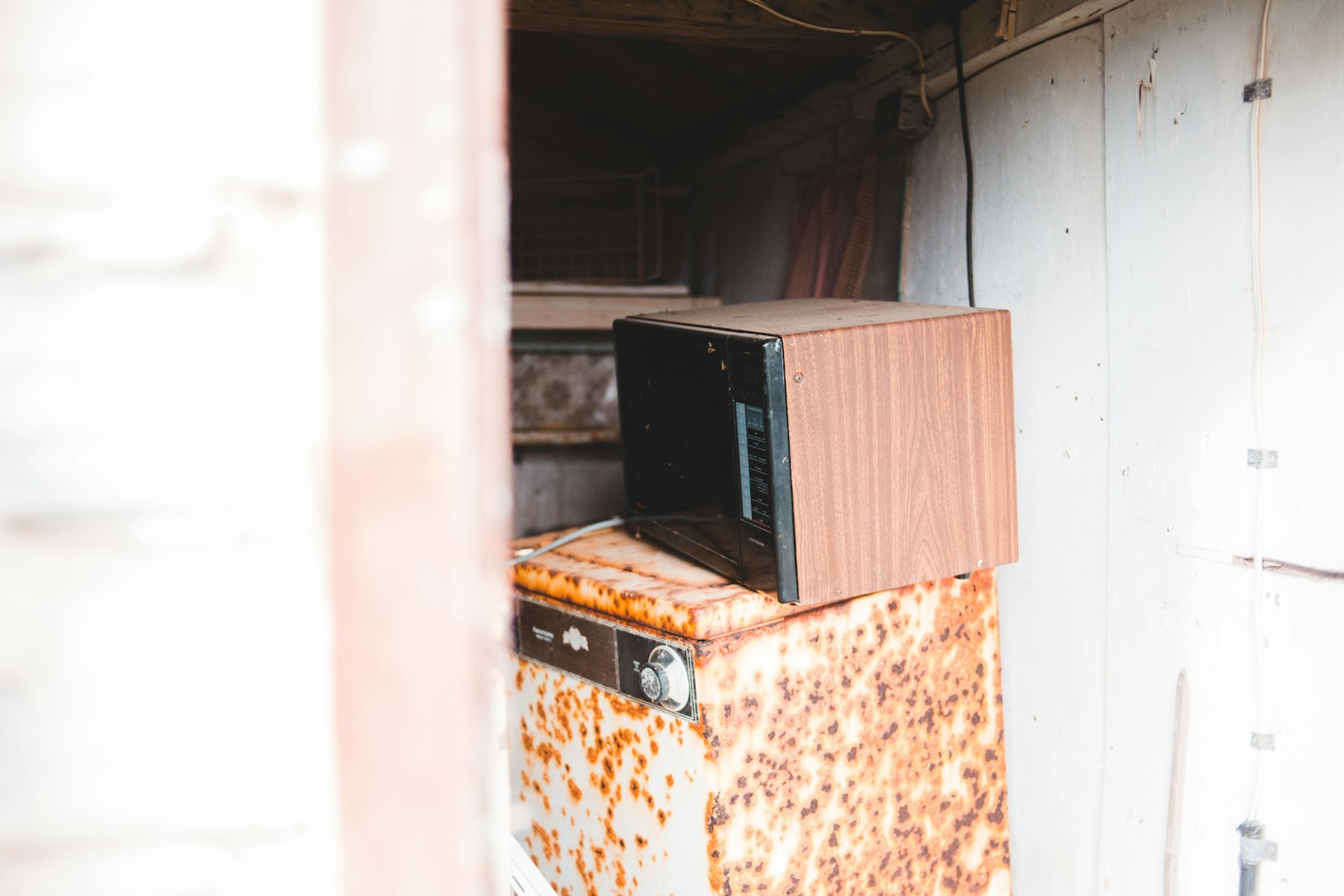
- Type and size of appliance: A refrigerator costs more to haul than a microwave. Heavy items (washing machines, ranges) carry premium labor charges.
- Age and condition: Older, working appliances may qualify for donation and recycling credits. Broken or non-functional units often incur higher disposal fees.
- Number of items: Single-item removals carry per-unit overhead. Multiple appliances bundled into one trip usually cost less per item.
- Location accessibility: Ground-floor kitchen removal is straightforward; a basement laundry room or second-floor placement requires extra labor and equipment.
- Disposal method: Donation, recycling, or landfill routes each carry different backend costs, reflected in your quote.
- Local market demand: Peak seasons (spring and fall in Leander) can drive costs up 10–15% due to crew availability.
Single Appliance Removal Pricing in 2026
In 2026, Leander-area removal prices for individual appliances typically fall within these ranges. Note that prices fluctuate based on condition, location, and the season.
Refrigerators and Freezers
A standard refrigerator (working or not) typically costs $125–$200 to remove from a standard kitchen. Accessibility is the primary cost driver here. Units on the ground floor of a single-family home sit at the lower end; basement installations or multi-story buildings push toward the higher range. Some removal services offer a small credit if the unit is in excellent working condition and can be refurbished.
Washing Machines and Dryers
Laundry appliances are among the heaviest residential items. Expect $100–$180 per unit, or $180–$300 for a matched pair. Stacked units in closets or on second floors can add $50–$100 to labor. Gas dryers may incur an additional safety-disconnection fee ($25–$50).
Ranges, Ovens, and Stovetops
Kitchen ranges—whether electric or gas—run $150–$250 for removal. Gas models sometimes require a licensed technician for safe disconnection, adding $50–$75. Built-in ovens cost slightly more due to cabinetry removal considerations.
Dishwashers
Built-in dishwashers typically cost $75–$150 because the labor is moderate and plumbing disconnection is routine. Portable or countertop dishwashers are cheaper at $50–$100.
Microwaves and Smaller Kitchen Appliances
Countertop units like microwaves, coffee makers, or toaster ovens often qualify for bundling into a general junk-removal package rather than a standalone appliance haul. If removed individually, expect $25–$75 each.
Bulk Appliance Removal & Discounts
One of the strongest cost levers is bundling multiple items into a single appointment. A household kitchen renovation that includes removing an old refrigerator, range, and dishwasher in one trip usually costs 15–25% less per item than if booked separately.
- Three or more appliances: Many removal companies offer a 10–20% volume discount or a flat-rate package (e.g., $400 for up to 5 kitchen items).
- Estate and whole-home cleanouts: If you're removing appliances as part of a larger junk-removal project—such as estate cleanout in Cedar Park or a full-home refresh—negotiate a comprehensive package price.
- Seasonal promotions: Spring and fall removals sometimes come with modest discounts during off-peak hours (weekday mornings or late afternoons).
Hidden Fees and What to Watch For
A transparent estimate should itemize labor, disposal, and any add-on charges. Watch for these commonly overlooked costs:
Disconnection and Preparation Fees
Gas lines, water lines, and electrical connections require safe disconnection. Standard labor is usually bundled into removal quotes, but specialized work (e.g., a licensed plumber for a complex hookup) can add $50–$150.
Accessibility Surcharges
If the appliance is on a second floor, in a basement accessible only via narrow stairs, or behind obstacles, expect a $50–$100 surcharge for difficult access.
Hazmat and Refrigerant Disposal
Refrigerators and air-conditioning units contain refrigerants regulated by the EPA. Safe extraction and disposal add $25–$50 to the removal cost. This is non-negotiable and environmentally necessary.
Trip Fees and Minimum Charges
Some removal services charge a service call or minimum removal fee ($50–$100) if your appliance is small or the location is far from their distribution hub. Ask upfront whether a minimum applies.
Donation and Recycling Credits (or Charges)
If your appliance is in excellent condition and destined for a nonprofit or refurbishment center, you may receive a $25–$75 credit. Conversely, unusable or hazmat-heavy items may incur a small recycling fee ($10–$30).
Leander Market Seasonality and Timing
The Leander, TX real estate market is active year-round, but appliance removal peaks during specific windows:
- Spring (March–May): Home renovations and spring cleanups drive demand. Expect 10–15% higher pricing.
- Summer (June–August): Moderate demand; pricing is stable.
- Fall (September–November): A secondary peak as families prepare homes for the holidays and prepare to move.
- Winter (December–February): Slower season, sometimes offering slight discounts or faster scheduling.
Scheduling a removal during a slower month and requesting a weekday morning slot can save 10–20% compared to weekend peak times.
How Accessibility Affects Your Bill
The ease of reaching and removing an appliance is one of the fastest cost variables. A kitchen appliance on the ground floor with direct driveway access may cost $100, while the same item in a basement or on the third floor of a multi-unit building could exceed $200.
Stairwell and Tight Corridor Scenarios
If the appliance must be maneuvered through narrow hallways, down stairs, or around tight corners, expect 30–50% labor markup. Some crews charge an additional $100–$200 for complex multi-person jobs or equipment rentals (furniture dollies, sliders).
Gate and Fence Considerations
Leander homes often have side-yard gates or fences. If the removal crew must navigate a locked gate, obtain homeowner access, or carry the appliance around an obstacle-filled yard, add $50–$100 to labor costs.
Stairs and Multi-Floor Homes
Two-story Leander homes with appliances on the second floor or in basements carry a $75–$150 premium due to the extra steps and safety precautions required.
Recycling and Disposal Fees Explained
What happens to your appliance after pickup affects both your bill and the environment. Understanding these options ensures you choose the most cost-effective and responsible route.
Donation Path
If your refrigerator, washing machine, or range is still functional, a nonprofit or charity may accept it. You may receive a tax deduction (consult a tax professional) and typically no removal fee. Some removal companies partner with local charities and will haul the appliance directly for free or a nominal fee.
Recycling Route
Working with the Texas Commission on Environmental Quality (TCEQ), Williamson County maintains Williamson County approved recycling programs. Refrigerants and metals are extracted and reused, reducing landfill burden. Recycling fees are typically $15–$40 per appliance and are included in or added to your removal quote.
Landfill Disposal
Broken or non-recyclable appliances go to landfills. Landfill fees vary by the Leander area waste district; expect $20–$50 per appliance. This is a backstop cost and is usually the most expensive option environmentally and economically.
Learn more about electronic waste recycling in Leander for appliances with electrical components.
Comparing Removal Methods: DIY vs. Professional
Not all appliance removal must be outsourced. Evaluating DIY versus professional service requires a realistic cost-benefit analysis.
DIY Removal: The True Cost
Renting a truck ($40–$150 per day) and potentially injuring yourself while lifting a 300-pound refrigerator are hidden costs. OSHA safe-lifting guidelines recommend two people for items over 50 pounds and proper equipment. If you hire movers or rent specialized dollies, DIY costs approach or exceed professional service. Factor in time (4–8 hours of your labor), disposal fees ($20–$50 per item), and the risk of property or personal damage.
Professional Removal: Peace of Mind and Warranty
Professional crews are insured, know how to safely disconnect utilities, and manage disposal. A $150–$300 removal fee often saves you money and stress compared to the full DIY outlay. Professional removal also guarantees your appliance is handled responsibly per EPA and state regulations.
Hybrid Approach
Some households disconnect appliances themselves (saving $25–$50 on labor) and then hire removal for transport and disposal. This works if you're comfortable with plumbing or electrical connections; otherwise, hire licensed technicians for safety and code compliance.
How Leander Costs Compare Regionally
Leander sits at the northwestern edge of Williamson County and straddles the Austin metro area. Local appliance removal costs are competitive with nearby Cedar Park and Round Rock but slightly lower than central Austin.
How Leander costs compare to nearby Cedar Park reflects differences in crew availability, fuel distances, and local waste-processing fees. Cedar Park is slightly more expensive due to higher population density and smaller service radius per crew. More remote towns like Hutto or Pflugerville may charge delivery surcharges.
For a complete regional breakdown, refer to full-service junk removal across Williamson County.
Getting an Accurate Estimate for Your Appliances
Before you commit, gather the right information so quotes are apples-to-apples.
What to Tell the Removal Company
- Brand, model, and age of the appliance (or photos).
- Current condition (working, broken, running but noisy, etc.).
- Location in the home (kitchen, basement, second floor).
- Accessibility issues (stairs, narrow hallways, gate-locked side yard).
- Utility connections (water, gas, electrical) and whether they're disconnected or need professional help.
- Your preferred disposal method (donation, recycling, landfill).
What to Ask the Company
- Does the quote include labor, hauling, and disposal?
- Are there additional fees for hazmat (refrigerant), disconnection, or difficult access?
- Is there a minimum charge or trip fee?
- Can they provide a tax-deductible receipt if the appliance is donated?
- What is their liability coverage and insurance?
- Can they schedule on your preferred day and time?
Money-Saving Strategies for Appliance Removal
Small adjustments can meaningfully reduce your removal bill:
Bundle Multiple Items
Combine your refrigerator removal with other junk-removal projects or donate old furniture in the same appointment. Bundled jobs unlock volume discounts (often 15–25% off per item).
Prepare the Appliance Yourself
Defrost a freezer, drain water from a washing machine, and move items away from the appliance in advance. This saves the crew 30 minutes of prep work and can reduce labor charges by $25–$50.
Choose an Off-Peak Time
Weekday mornings (Tuesday–Thursday, 9 AM–12 PM) are cheaper than Saturday afternoon removals. Summer and early winter also offer better availability and lower demand-based pricing.
Donate Instead of Discard
A functional appliance donated to a nonprofit or refurbishment center may qualify for a tax deduction and removes the disposal cost from the removal company. Some charities even pick up appliances at no charge.
Negotiate or Ask for Discounts
Many removal services offer loyalty discounts for repeat customers, referral bonuses, or military/senior discounts. Ask directly; the worst they can say is no.
Frequently Asked Questions
How much does refrigerator removal cost in Leander in 2026?
A standard refrigerator removal in Leander ranges from $125–$200 depending on accessibility and whether the unit can be donated or needs to be recycled. Ground-floor kitchens with easy driveway access are on the lower end; basement or multi-floor placements push toward $200+. Ask your removal company whether they offer a donation credit if the fridge is in working condition.
Do removal companies charge extra for refrigerants and hazmat fees?
Yes. Refrigerators and air-conditioning units contain EPA-regulated refrigerants that must be safely extracted before disposal. This typically adds $25–$50 to your removal cost. It's a necessary environmental and legal requirement, so all licensed removal companies should include this fee transparently in their estimate.
Can I get a tax deduction for donating an appliance?
If you donate a working appliance to a qualified nonprofit (such as a Salvation Army thrift store or local charity), you may deduct the fair market value on your taxes. Keep a receipt from the charity and photograph the appliance before donation. Consult a tax professional to confirm eligibility and valuation.
Why do some appliance removals cost more in spring and fall?
Spring and fall are peak seasons for home renovations, moves, and cleanups in Leander. Demand for removal crews increases, scheduling becomes tighter, and pricing adjusts upward by 10–15%. Winter and mid-summer typically offer lower demand and better availability, sometimes with modest discounts or faster scheduling.
Is it cheaper to remove appliances myself?
Not usually. DIY removal requires renting a truck ($40–$150), potentially hiring helpers, managing disposal fees ($20–$50 per item), and risking injury or property damage. When you factor in your time and liability insurance, professional removal at $150–$250 per appliance is often equal to or cheaper than DIY. Professional services also ensure EPA-compliant recycling and proper hazmat handling.
What should I do to prepare my appliance for removal?
Empty the appliance completely (remove shelves if easy and safe). Defrost freezers the night before. Drain water from washing machines and dishwashers. Disconnect utilities if you're comfortable doing so (otherwise let the removal crew handle it). Move other furniture or clutter away from the appliance to give the crew a clear path. Doing this can save 30 minutes of labor and reduce your bill by $25–$50.
Do removal companies accept appliances that don't work?
Yes. Non-functioning appliances are removed just like working ones, though you may not qualify for a donation credit. The removal cost is often the same or slightly higher because the company cannot resell or donate the unit; they must recycle or landfill it. Recycling fees may apply, adding $15–$40.
Ready to Schedule Your Appliance Removal
Appliance removal costs in Leander, TX reflect the size of the item, its condition, where it's located, and how soon you need it gone. By understanding pricing factors, exploring bundled discounts, and timing your removal strategically, you can minimize the hit to your budget.
For more guidance on smart disposal, review our junk removal checklist for Leander homeowners and discover how families moving in Leander plan their cleanouts efficiently. If you're also clearing out furniture, learn about furniture disposal options in your area.
Ready to remove your appliances and reclaim that space? Contact our Leander junk removal team today for a free, no-obligation estimate. We handle all disconnections, hazmat disposal, and recycling so you don't have to.
Local Notes: Leander Waste & Recycling Resources
The City of Leander maintains partnerships with local waste haulers and recycling partners. For specific guidelines on appliance disposal and drop-off locations in Leander, consult the city's waste management page. The EPA recycling programs page also offers state-specific appliance disposal resources.