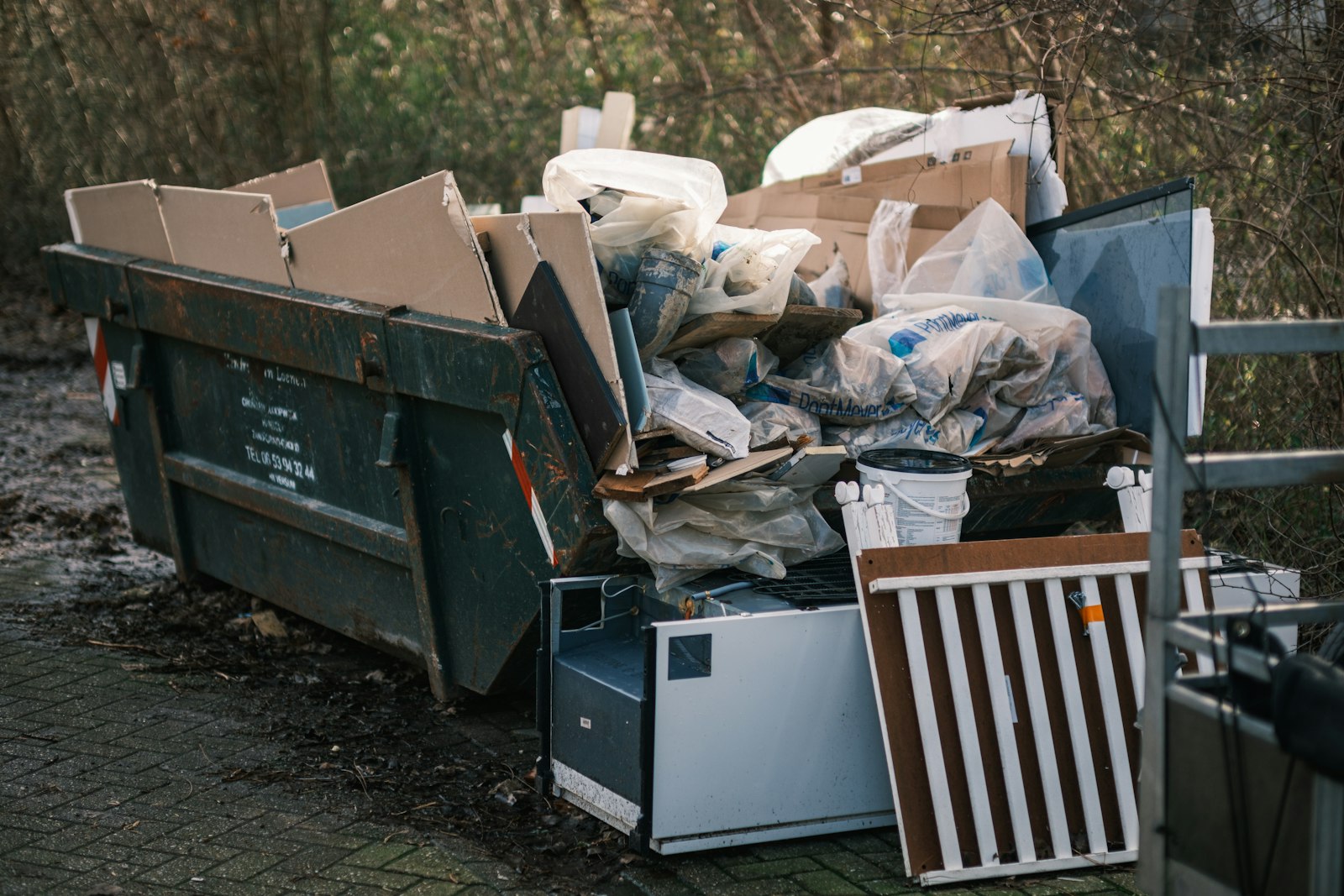
Appliance Removal for First-Time Homebuyers in Taylor, TX — 2026 Complete Moving-In Cleanup Guide
Index

- Why Appliance Removal Matters for First-Time Homebuyers
- Timeline & Budget: What to Expect in Taylor
- Identifying Appliances Worth Removing vs. Selling
- Safety & Liability Assessment Before You Act
- DIY Removal vs. Professional Haul-Away: The Trade-Off
- Step-by-Step Removal Playbook
- Disposal & Recycling Options in Williamson County
- Real Cost Breakdown: Hidden Fees & Pricing
- Common Mistakes First-Time Buyers Make
- Local Resources: Taylor & Williamson County
- Frequently Asked Questions
- Ready to Get Started
Why Appliance Removal Matters for First-Time Homebuyers
Buying your first home in Taylor, TX is thrilling—until you unlock the door and find the previous owner left behind an aging refrigerator, water heater, dishwasher, or range. Many first-time homebuyers don't realize that appliance removal is a separate task from general junk removal, and it carries unique safety, legal, and disposal challenges.
Old appliances aren't just clutter. They may contain hazardous materials (refrigerants, oils, wiring), weigh hundreds of pounds, and require special handling to avoid damage to your newly purchased home. Worse, leaving them in place eats into your usable space and creates liability if someone is injured on the property.
This guide walks you through every decision a new Taylor homeowner needs to make, from assessing what stays and what goes to scheduling professional removal and ensuring compliance with Williamson County disposal regulations.
Timeline & Budget: What to Expect in Taylor
Most first-time homebuyers don't plan appliance removal into their move-in timeline. Here's a realistic breakdown:
- Closing to move-in: 1–7 days. You own the home but may not have furniture or utilities set up yet.
- Initial walkthrough & assessment: Day 1–2. Photograph all appliances, note condition, and decide what must go immediately.
- Scheduling removal: Day 3–5. Professional crews in Williamson County typically book 2–7 days out, depending on season.
- Removal appointment: Day 7–14 post-closing. Plan for 1–3 hours depending on appliance count and weight.
Budget reality: Single-appliance removal (old stove or fridge) typically runs $75–$250 depending on condition and access. Multiple appliances (fridge + stove + dishwasher + water heater) can run $300–$800. Exact costs depend on size, weight, hazmat content, and distance to the disposal facility.
Identifying Appliances Worth Removing vs. Selling
Not every old appliance needs to go to the landfill. Some may have resale value, and understanding the difference saves you money and supports the circular economy.
Appliances Worth Selling or Donating
- Refrigerators (working, less than 15 years old): Facebook Marketplace, Craigslist, or donation platforms often have demand. Even older units may attract buyers looking for garage or workshop storage.
- Ranges and cooktops (fully functional, clean): High resale demand, especially if gas or stainless steel. Use local pickup platforms to avoid shipping costs.
- Dishwashers (operating, no major rust): Decent secondary market; price depends on age and brand.
- Washers and dryers: Strong resale market. Even older, functional units attract buyers.
- Microwaves, ovens, and specialty appliances: List if functional; otherwise haul away.
Appliances You Should Remove
- Non-functioning units: Broken compressors, electrical damage, rust, or leaks.
- Older refrigerators (pre-2010): Inefficient and increasingly banned from resale in some markets due to CFC refrigerant content.
- Damaged water heaters: Safety risk and not resalable if rusted, dented, or leaking.
- Appliances requiring specialized tools or permits to disconnect: Gas ranges, built-in dishwashers, or permanently installed units.
- Units taking up valuable space during your first weeks of move-in. Your time is worth more than a $50 Craigslist sale.
Safety & Liability Assessment Before You Act
Before you or anyone else touches an appliance, assess the risks. Appliance removal is heavier and more complex than other junk removal, and DIY errors cause injuries.
Check for These Hazards
- Refrigerants (CFCs, HCFCs, HFCs): Many refrigerators manufactured before 2010 contain ozone-depleting refrigerants. Puncturing the coil or leaking the fluid violates federal law (Clean Air Act). Proper recovery requires EPA-certified technicians.
- Gas line connections: Ranges, ovens, and water heaters may be connected to natural gas or propane. Disconnecting without proper shut-off or purging is a fire and explosion hazard.
- Electrical hazards: Dishwashers, ranges, and water heaters may have live 240V circuits. Tripping the breaker is the first step; never assume a disconnected plug is safe.
- Oil and residue: Old stoves and ranges may retain combustible oils or grease in vents and underneath. Tilting or moving them can release fumes or start a fire.
- Weight and space constraints: Refrigerators often weigh 200–400 lbs. Moving one down a narrow staircase without dollies, blankets, and at least two people is a recipe for back injury or property damage.
Liability Checklist
- Take photos of appliance condition before and after removal. Document any existing damage (dents, stains, disconnection marks).
- Confirm you have proper home insurance in place. Injuries to workers or damage during removal should be covered under homeowner's liability or the service provider's worker's comp.
- Get written estimates and proof of licensing. Professional crews carry liability insurance and know disposal laws.
- Verify that utilities (gas, water, electric) are safely shut off before removal begins.
- Don't allow anyone to work alone with heavy appliances. Even professionals follow the two-person minimum rule.
DIY Removal vs. Professional Haul-Away: The Trade-Off
DIY Removal (Save Money, Accept Risk)
Pros:
- Lower upfront cost if you rent a truck ($20–$50/hour) or borrow tools.
- Full control over timing and which items go first.
- Learn the layout and systems in your new home faster.
Cons:
- Significant injury risk (back strain, cut fingers, crushing injuries) without proper equipment or training.
- Risk of damaging your home (drywall, flooring, door frames) costs hundreds to repair.
- Liability if someone is injured during your removal attempt.
- Improper disposal (dumping in unauthorized areas, leaving hazmat in the trash) can result in fines from Williamson County.
- Time-consuming: a single water heater or fridge may take 3–6 hours solo; a full cleanout can consume your entire first weekend.
Professional Removal (Pay More, Sleep Better)
Pros:
- Licensed crews know safe disconnection procedures for gas, water, and electrical appliances.
- EPA-certified technicians properly recover refrigerants from older fridges and AC units.
- Full liability and worker's compensation insurance; if damage or injury occurs, you're protected.
- Faster: most jobs complete in 1–3 hours.
- Proper disposal at licensed facilities ensures compliance with state and federal law.
- No rental truck fees, no disposal run hassles, no equipment investment.
Cons:
- Higher cost: $200–$800 for multiple items, depending on weight and hazmat recovery.
- Limited scheduling flexibility; you book around their availability.
Step-by-Step Removal Playbook for Taylor Homebuyers
Here's a real-world process that takes the guesswork out of appliance removal:
Phase 1: Plan & Assess (Days 1–2 Post-Closing)
- Walk through the home with a notepad or phone camera. List every appliance: refrigerator, range/stove, dishwasher, microwave, water heater, clothes washer/dryer, garbage disposal, HVAC, etc.
- Note age, brand, and obvious condition issues. Look for rust, leaks, dents, or electrical scorch marks. Photo everything.
- Check if units are hardwired or plugged in. Plugged-in appliances (microwaves, some ranges) are easier to remove; hardwired units need professional disconnection.
- Identify which appliances you want to keep vs. remove. Consult with your lender or inspector if anything is safety-critical (water heater, electrical panel attached appliances).
- Research resale value for keep-worthy items. Post photos on Marketplace or Craigslist for a quick gauge. If interest is low, haul it away instead.
Phase 2: Schedule & Prepare (Days 3–5)
- Contact a licensed appliance removal service in Taylor or Williamson County. Request a quote that includes pickup location, appliance types, and disposal method.
- Confirm the crew will disconnect utilities (gas, water, electrical). Some services require you to shut off valves beforehand; others do it on-site.
- Ask about EPA certification, especially if you have pre-2010 refrigerators. Improper refrigerant recovery can cost you fines.
- Clear a path from each appliance to the door/driveway. Remove stairs, doors, or obstacles that might slow removal or risk damage.
- Protect flooring. Lay down cardboard or plywood under heavy items to prevent scratches to hardwood or tile.
- Turn off water, gas, and electricity to appliances 1–2 hours before crew arrival. Confirm lines are clear of standing water or gas before disconnection.
Phase 3: Removal Day (1–3 Hours)
- Be present for the entire appointment. Walk the crew through each appliance and any special concerns (narrow doorways, tight hallways, finished basements).
- Confirm all utilities are shut off and tagged. Don't let work begin until you and the crew agree it's safe.
- Watch the disconnect process. Crews should carefully drain water lines, recover refrigerants, and safely cap or blanket all disconnection points.
- Take final photos of empty spaces and the truck fully loaded. Document that items are gone and your home is in good condition.
- Ask for a receipt or invoice noting which items were removed, their condition, and where they're headed (recycling, donation, landfill).
Phase 4: Follow-Up (Day 5–7)
- Verify that utilities are properly capped or reconnected. A plumber should inspect the water lines; an electrician should verify the breaker is safely disconnected and capped.
- Check the appliance spaces for leaks, damage, or debris. Clean and inspect before you move new appliances in.
- Keep the removal receipt for your home records. It documents the pre-existing condition if you ever need to claim it for insurance or resale.
Disposal & Recycling Options in Williamson County
Once removed, appliances can't just go in a dumpster. Texas law and EPA regulations mandate specific handling for each type.
Refrigerators & Air Conditioning Units
These contain ozone-depleting refrigerants (R-22, R-12, R-134a). Federal EPA rules require certified technicians to recover refrigerants before disposal. Wilco Junk Removal works with EPA-licensed recycling centers. Expect $25–$50 in recovery fees for older units; newer ENERGY STAR models may be eligible for appliance rebates.
Ranges, Ovens & Cooktops
These are typically steel and scrap metal, recyclable at most Texas metal recyclers. Contact Williamson County recycling coordinators for nearest drop-off locations or arrange curbside pickup through your removal service.
Dishwashers & Microwaves
Steel/plastic construction; generally accepted at scrap metal facilities. Some contain copper wiring worth recovering. Professional services strip and sort by material type.
Water Heaters
Steel tanks with brass fittings—highly recyclable. Older units may contain asbestos insulation, requiring special handling. Licensed removal services know the regulations.
Washers & Dryers
Heavy, valuable scrap. If functioning, donation is ideal (Goodwill, Salvation Army, local charities often accept them). If broken, metal recycling is the best option.
Donation & Resale Options in Taylor
- Goodwill Industries (Travis & Williamson County): Free pickup for functional appliances; tax-deductible.
- Salvation Army: Large appliances accepted; arrange pickup online.
- Habitat for Humanity ReStore (Austin, round-rock): Free pickup for renovations donations; supports local affordable housing.
- Facebook Marketplace & Craigslist: Direct sales cut out the middleman but require buyer pickup or your rental truck.
Real Cost Breakdown: Hidden Fees & Pricing
Understanding the pricing breakdown helps you budget and spot inflated quotes.
Service Call & Assessment: $0–$50
Many crews offer free estimates if you provide photos and appliance counts upfront. Phone or video quotes are common in 2026.
Appliance Removal (Per Item or Flat Rate)
- Refrigerator (any size): $75–$150
- Range/stove: $75–$150
- Dishwasher: $50–$100
- Microwave: $25–$50
- Water heater: $100–$200 (heavier, requires disconnection from plumbing)
- Washer/dryer (single or pair): $100–$250
- Multiple items (bundle discount): Often 10–20% off if you remove 4+ appliances
Hazmat Recovery Fees
- Refrigerant recovery (pre-2010 fridges, AC units): $25–$75 per unit. EPA-certified technician required.
- Freon disposal surcharge: Some facilities add $10–$30 if refrigerant is non-compliant (older CFCs).
Disconnection & Labor
- Standard removal (plugged-in or already disconnected): Included in item pricing.
- Utility disconnection (gas, water, electrical hardwire): Often $50–$100 per utility or included for multi-appliance jobs.
- Trip charge (if appliances are blocking or require special equipment): $25–$75.
Disposal & Recycling
- Landfill tipping fees: Usually $5–$15 per appliance (included in most quotes).
- Metal recycling value (sold back): Usually offsets $10–$30 per appliance for crews; you don't typically see this benefit unless you arrange private metal recycling.
Example: Full Kitchen Appliance Removal (Fridge, Stove, Dishwasher)
- Refrigerator + refrigerant recovery: $150
- Range: $100
- Dishwasher: $75
- Labor & utility disconnection: $100
- Total: ~$425 for all three
Compare this to a detailed appliance removal cost breakdown for the Austin area, which often mirrors Taylor pricing due to geographic proximity and similar market conditions.
Common Mistakes First-Time Buyers Make
Learning from others' errors can save you time, money, and injury risk.
Mistake #1: Attempting to Remove a Gas Appliance Without Professional Help
Ranges and water heaters connected to natural gas or propane are serious hazards. Incomplete disconnection or incorrect valve shutoff can lead to gas leaks, explosions, or carbon monoxide poisoning. Always hire a licensed plumber or professional removal service for gas appliances.
Mistake #2: Not Shutting Off Utilities Before Removal
Leaving water, gas, or electricity connected during removal risks injury, flooding, or electrical shock. Turn off breakers, valves, and gas shutoffs at least 2 hours before crew arrival and confirm they're off.
Mistake #3: Dragging Heavy Appliances Across Flooring
Refrigerators and stoves are hundreds of pounds. Dragging them damages hardwood, tile, and laminate and injures your back. Always use dollies, furniture sliders, and blankets. Keep the path clear of obstacles.
Mistake #4: Assuming All Old Appliances Can Go to the Landfill
Appliances with refrigerants, oils, or hazardous materials are regulated. Dumping them illegally can result in fines. Always use licensed removal or recycling services.
Mistake #5: Not Photographing Pre-Removal Condition
If damage occurs during removal, you have no proof of prior condition. Photo-document every appliance and the path to the door before the crew arrives.
Mistake #6: Forgetting to Drain Water Lines Before Removal
Washing machines, dishwashers, refrigerators (ice makers), and water heaters can hold gallons of standing water. Failure to drain causes flooding. Request that crews drain all water-bearing appliances before moving them.
Learn more about common appliance removal mistakes and how to avoid them.
Local Resources: Taylor & Williamson County
Williamson County Recycling & Disposal:
Williamson County government website provides current recycling guidelines, landfill hours, and approved scrap metal facilities. Many appliances qualify for free or low-cost recycling if you transport them yourself to a county-approved center.
Taylor City Resources:
The City of Taylor Public Works Department oversees local waste and recycling. Check Taylor's municipal website for bulk pickup schedules (some appliances may qualify if no hazmat is present) and approved contractors.
TCEQ (Texas Commission on Environmental Quality):
TCEQ enforces environmental rules for refrigerant recovery and appliance disposal across Texas. If you hire a service, verify they're TCEQ-compliant and EPA-certified.
Safe Handling & Ergonomics:
OSHA ergonomics guidelines outline best practices for lifting, moving, and securing heavy loads. Even professional crews follow these rules to prevent back injuries and property damage.
Frequently Asked Questions
Q: How long do I have to remove appliances after closing on a home in Taylor?
There's no legal deadline, but most homebuyers schedule removal within 2–4 weeks post-closing. Waiting longer means appliances take up valuable space and may deteriorate, reducing resale value if you're planning to upgrade. Plan removal for Week 1–2 of your move-in to clear the way for new appliances or renovations.
Q: Will the removal crew cap off water and gas lines after they disconnect appliances?
Professional crews disconnect and cap water lines, turn off gas valves, and safely isolate electrical circuits. However, you should have a licensed plumber inspect water-line caps and an electrician verify electrical disconnections within a week to ensure long-term safety and prevent leaks or future hazards.
Q: Can I sell my old refrigerator on Craigslist, or should I just have it hauled away?
If your fridge is less than 15 years old, functioning, and clean, listing on an appliance removal checklist for Taylor will give you pricing context. Older or broken units rarely sell; haul them away instead. Selling takes 1–2 weeks of posting and coordinating pickup; removal takes 1–3 hours. For move-in stress, haul-away usually wins.
Q: What if an old refrigerator leaks during removal?
This is rare with professional crews (they drain units beforehand), but if it happens, the service provider should cover cleanup and any resulting water damage if their negligence caused it. Confirm liability insurance is in place before work begins, and take photos of all appliance conditions before removal starts.
Q: Are there tax deductions or rebates for removing old appliances?
If you donate working appliances to Goodwill, Salvation Army, or Habitat for Humanity ReStore, you can claim a tax deduction on your itemized return. ENERGY STAR offers rebates for replacing old, inefficient refrigerators and HVAC systems with compliant new models—check your local utility's website for current incentives in Williamson County. Recycling or trash-bin disposal does not qualify.
Q: Do I need a permit to remove appliances from my home in Taylor?
No permit is required for removing appliances you own from your own home. However, if you're hiring a contractor, they should be licensed and insured. Gas or electrical work may require a separate licensed tradesperson's sign-off (plumber for gas; electrician for hardwired circuits). Check with the City of Taylor if you're doing renovation-scale work beyond simple removal.
Ready to Get Started?
Appliance removal is one of the first steps to making your new Taylor home truly yours. Taking time to plan, understand the costs, and hire licensed professionals protects your investment, your safety, and your peace of mind during a major life transition.
Next steps:
- Create a detailed appliance inventory. Walk through your home with a camera and note every item: refrigerator, range, water heater, etc.
- Get a free estimate. Schedule your appliance removal delivery with a licensed crew in Williamson County. Most estimates are free if you provide photos upfront.
- Review the removal checklist. Use our Taylor appliance removal checklist to ensure nothing is missed before crew arrival.
- Prepare your home. Clear paths, shut off utilities, and drain water lines 2 hours before removal day.
- Recycle or donate responsibly. Reach out to local charities (Habitat ReStore, Salvation Army) if any appliances are working, or arrange dumpster trailer rental for Williamson County if you're handling multiple items.
Questions about your specific appliances or timeline? Contact our team at +15129818626 or visit https://wilcojunkremoval.com for a free quote. We handle appliance disconnection, safe removal, and proper disposal—so you can focus on settling into your new home.