Estate Cleanout for Growing Families in Round Rock, TX — 2026 Complete Guide
- What Is an Estate Cleanout for Growing Families?
- Why Growing Families Need Estate Cleanouts
- Downsizing Strategies That Work
- Inventory & Assessment Process
- Donation & Recycling Decisions
- Safety & Liability Concerns
- Timeline & Planning Your Cleanout
- DIY vs. Professional Removal: A Comparison
- Cost Expectations & Budgeting
- Local Resources & Regulations in Round Rock
- Common Mistakes to Avoid
- Frequently Asked Questions
- Ready to Begin Your Estate Cleanout?
What Is an Estate Cleanout for Growing Families?
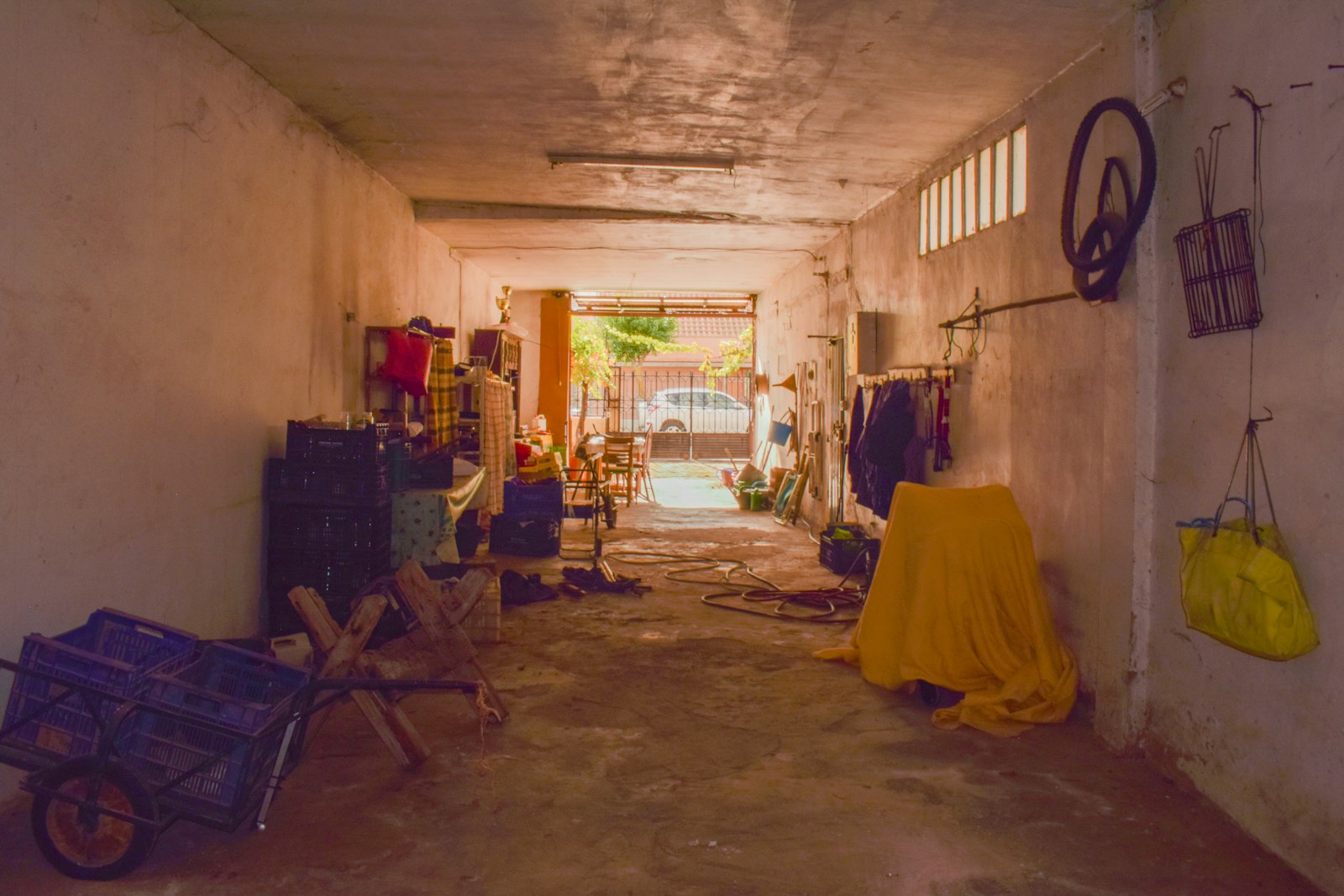
An estate cleanout is the process of clearing, sorting, and removing unwanted household items from a residence—often triggered by a major life transition. For growing families in Round Rock, this typically means preparing a home to accommodate more people, consolidating multiple households after a move, or inheriting a parent's or relative's property and needing to remove decades of accumulated belongings.
Unlike a basic declutter, a true estate cleanout is systematic and often requires professional labor, disposal logistics, and careful attention to legal and safety protocols.
Why Growing Families Need Estate Cleanouts
Round Rock has experienced rapid population growth, and families relocating to the area often face predictable triggers for estate cleanouts:
- Upsizing homes: Moving to a larger property means inheriting space—but also deciding what stays, what gets donated, and what gets hauled away.
- Blending households: Remarriage, multigenerational living, or adult children moving back home means duplicate furniture, appliances, and personal items competing for closet and storage space.
- Inherited properties: Estate cleanouts after the passing of a loved one are emotionally and logistically complex. Professional guidance helps families move through the process with dignity and efficiency.
- Renovation and expansion: Additions, kitchen remodels, or sunroom builds require temporary or permanent removal of items from affected areas.
- Storage overflow: Many growing families realize they're paying for offsite storage they no longer need once they systematize what actually belongs in the home.
Each scenario demands a structured approach to avoid overwhelm, wasted time, and disposal mistakes.
Downsizing Strategies That Work
Successful estate cleanouts rest on a clear downsizing philosophy. Here are evidence-based tactics that work:
The Four-Box Method
Sort items into four categories as you move through each room:
- Keep: Items essential to your family's daily life and future plans.
- Donate: Gently used items in good condition that charities and others can benefit from.
- Sell: Vintage furniture, collectibles, or designer pieces worth time and effort to list online.
- Junk: Broken, unsalvageable, or contaminated items destined for landfill or recycling.
Be honest about condition. A "maybe" pile often becomes a procrastination trap—make an immediate decision and move on.
Room-by-Room Prioritization
Start with lower-emotional-load spaces (garage, basement, attics and crawl spaces) before tackling bedrooms or family heirloom areas. Success in easier zones builds momentum and decision-making confidence.
The One-Year Rule
If you haven't used an item in the past 12 months and have no immediate use planned, it's a candidate for donation or removal. Exceptions: seasonal items, emergency supplies, and genuine family heirlooms.
Inventory & Assessment Process
Before you haul anything away, document what you have. This step is critical for families managing inherited estates or negotiating distribution among siblings.
Create a Master Inventory
Use a spreadsheet or mobile app to log high-value items, sentimental pieces, and bulk categories (e.g., "12 boxes of books," "sofa set"). Include photos for insurance, estate-tax, or donation-tax-deduction purposes.
Identify High-Value Items
Furniture, antiques, electronics, and appliances may have resale or donation value. Research fair market value using online comps or consignment shops. Items worth $500+ warrant professional appraisal, especially in estate scenarios.
Bulk Estimates
Estimate volume by room. A typical three-bedroom estate cleanout generates 8–15 truck loads of items. This helps you budget for removal costs and timeline.
Donation & Recycling Decisions
Round Rock and Williamson County offer robust donation and recycling pathways. Choosing the right channel for each item type protects the environment and may unlock tax deductions.
Furniture & Household Goods
Habitat for Humanity ReStore, Goodwill, and the Salvation Army all pick up or accept donations in the Round Rock area. Many items are tax-deductible; ask for receipts and document condition with photos.
Electronics & E-Waste
Old TVs, computers, monitors, and printers contain hazardous materials. Use EPA recycling programs or certified local e-waste facilities. Check Williamson County government resources for annual e-waste collection events. Learn more in our guide to e-waste recycling options.
Textiles, Clothing & Soft Goods
Clothing, linens, and curtains are welcome at thrift shops. Stained or damaged textiles can go to textile recyclers or be used for industrial rags.
Appliances & Metal
Refrigerators, washers, dryers, and metal items (file cabinets, shelving) often have scrap or resale value. Appliance removal sometimes requires certified technician certification (for refrigerants). Professional professional junk removal in Round Rock ensures safe refrigerant handling.
Safety & Liability Concerns
Estate cleanouts involve heavy lifting, hazardous materials, and potential injury. Families and volunteers must account for these risks.
Physical Injury Prevention
Follow OSHA safe lifting guidelines: bend at the knees, keep loads close to your body, and avoid twisting. Lift no more than 50 pounds per person. For heavier furniture, recruit help or hire professionals.
Hazardous Materials
Paint, chemicals, batteries, and asbestos-containing materials require special handling. Never throw these in standard dumpsters. Contact your local hazmat disposal facility through Williamson County government resources.
Property & Vehicle Damage
Ensure walkways, stairs, and driveways are protected during removal. Professional crews carry liability insurance; if you DIY, verify your homeowner's policy covers volunteer labor.
Timeline & Planning Your Cleanout
Estate cleanouts require realistic scheduling. Here's a proven timeline for a three-bedroom family home:
- Week 1: Inventory, sort, and organize items into piles. Photograph valuable pieces and research pricing.
- Week 2: Contact donation centers, arrange pickups, and list items for sale (Facebook Marketplace, Craigslist, consignment shops).
- Week 3: Schedule professional removal for remaining junk. Confirm donation/haul-away dates.
- Week 4: Execute removal, clean and prepare the space, and document final condition.
Complex estates (multiple buildings, legal disputes, or extensive salvage needs) may take 4–12 weeks. Build in 20% buffer time for unexpected obstacles.
DIY vs. Professional Removal: A Comparison
Both approaches have merits. The choice depends on volume, timeline, physical ability, and budget.
DIY Removal
- Pros: Lower cash outlay; full control over timing and item prioritization; emotionally rewarding for family heirlooms.
- Cons: Physically demanding; requires vehicle rentals and fuel; time-consuming (weeks vs. days); risk of injury; disposal logistics fall on you.
- Best for: Smaller cleanouts (1–2 rooms), strong family support, and no time pressure.
Professional Removal
- Pros: Fast (1–3 days for whole-home); insured and licensed; handles heavy/hazardous items; recycling and donation arranged; emotional distance from decisions.
- Cons: Higher upfront cost ($800–$3,000+ depending on volume); less control over item disposition; scheduling coordination.
- Best for: Large estates, inherited properties, time-sensitive moves, or families with mobility constraints.
Many families use a hybrid: they sort and donate themselves, then hire professionals for heavy furniture and junk hauling. Learn more about junk removal for new homeowners in Round Rock if you're managing the logistics yourself.
Cost Expectations & Budgeting
Estate cleanout costs vary by volume, complexity, and waste type. Here's what to expect in 2026:
- Small cleanout (1 truck load): $300–$600
- Medium cleanout (2–3 truck loads): $800–$1,500
- Large whole-home cleanout: $1,800–$4,000+
Factors affecting cost:
- Volume and weight of items
- Accessibility (stairs, narrow hallways, driveway distance)
- Hazardous materials (additional disposal fees)
- Same-day vs. scheduled service
- Donation/recycling logistics
Always request a free quote and compare multiple providers. Verify they're licensed, insured, and reputable in the Round Rock area.
Local Resources & Regulations in Round Rock
Round Rock has specific ordinances and resources that affect estate cleanouts:
Curbside Bulk Item Pickup
The City of Round Rock allows bulky items (furniture, appliances) at curbside on designated collection days. Check the city's municipal code and waste schedule at the city website. Items must be pre-sorted and positioned correctly to avoid citation.
Hazardous Waste Events
Williamson County hosts twice-yearly hazmat disposal events for residents. These accept paint, chemicals, batteries, and fluorescent bulbs free of charge. Visit Williamson County government resources for 2026 event dates and locations.
Donation Centers
- Habitat for Humanity ReStore (furniture, building materials)
- Goodwill Industries (clothing, household goods)
- Austin Pets Alive (pet items, if applicable)
- Local churches and nonprofits (blankets, dishes, clothing)
Landfill & Transfer Stations
The Williamson County Landfill accepts residential junk for a per-ton fee. Items must be sorted by the facility (no hazardous materials, appliances with refrigerant, or electronics). Some items incur surcharges. Verify hours and fees before dropping off.
Common Mistakes to Avoid
Learning from others' mishaps saves time and money:
Underestimating Volume
Most families are shocked by how much stuff is actually in a home. Rent a larger dumpster or schedule more removal days than you think you'll need.
Ignoring Donation Tax Deductions
Document all donations with itemized lists and photos. Consult a tax professional—legitimate deductions can offset cleanout costs.
Procrastinating on Emotional Items
Family heirlooms and sentimental pieces slow progress. Make a decision: keep it, sell it, donate it, or photograph it for memory. Indecision creates clutter.
Mixing Junk with Salvageable Items
A broken chair shouldn't ride in the same load as a resalable dresser. Separate streams from the start to avoid cross-contamination and disposal delays.
Neglecting Safety Gear
Wear gloves, masks, and sturdy footwear. Decades-old items may harbor dust, mold, rodent droppings, or sharp edges. Protect your health.
Forgetting Estate & Legal Issues
If you're managing an inherited estate, verify you have legal authority to dispose of items. Consult the estate executor or attorney if multiple heirs are involved.
Frequently Asked Questions
How long does a typical estate cleanout take?
A single-family home cleanout takes 1–4 weeks if done gradually (sorting, donating, removing in phases) or 1–3 days with professional help. Timeline depends on volume, decision-making pace, and whether you're selling items or arranging multiple donation pickups.
Can I deduct estate cleanout costs on my taxes?
Removal and disposal costs are generally not deductible unless you're managing an active estate (tax return filed on behalf of a deceased person). Donation value, however, is often deductible. Consult a CPA or tax advisor for your specific situation.
What happens to items I don't want but are still usable?
Donate them to Goodwill, Habitat for Humanity ReStore, the Salvation Army, or local nonprofits. You'll receive a receipt for tax purposes, and the items stay out of landfills. Many places offer free or low-cost pickup for large donations.
Are there items professional removal crews won't take?
Yes. Hazardous materials (paint, chemicals, asbestos), firearms, and items with legal holds are typically excluded. Confirm prohibited items when requesting a quote. Learn about furniture removal mistakes to avoid to ensure a smooth removal process.
Should I hire an appraiser for valuable items?
If you suspect an item is worth $500 or more (antique furniture, art, jewelry, collectibles), a professional appraisal is worthwhile. It protects you legally in estate settlements and maximizes your tax deduction if you donate the item.
How do I manage an estate cleanout if I live out of state?
Hire a professional estate cleanout company with project management. They'll handle sorting, donor coordination, photographing items, and arranging shipping if needed. Video walk-throughs let you approve major decisions remotely.
What's the best time of year to do an estate cleanout in Round Rock?
Spring and fall are ideal—mild weather, donation centers are well-staffed, and professional crews have reasonable availability. Summer heat makes heavy lifting uncomfortable; winter holiday season increases demand for professional services. Plan 6–8 weeks ahead for off-peak scheduling.
Ready to Begin Your Estate Cleanout?
Estate cleanouts for growing families are manageable when broken into phases and approached with a clear system. Start with a complete estate cleanout checklist to organize your effort. Identify what stays, what donates, and what goes—then execute systematically.
If the physical or emotional labor feels overwhelming, professional estate cleanout services in Round Rock can handle the heavy lifting, donation logistics, and recycling coordination while you focus on family transitions and decision-making. Whether you DIY or hire help, the result is a clear, organized home ready for your growing family's next chapter.
For comprehensive Williamson County junk removal services, reach out today. We specialize in whole-home estate cleanouts and can provide a free estimate tailored to your home's size and contents.