
Fall Cleanup 2026 & Appliance Removal in Round Rock, TX — Complete Seasonal Disposal Guide
Index
- Why Fall Cleanup Matters in Round Rock, TX
- Appliance Removal Basics for Fall 2026
- Types of Appliances Commonly Removed in Fall
- Safety First: Handling Large Appliances
- Fall Cleanup & Appliance Removal Cost Breakdown
- Timeline & Planning for Fall Cleanups
- Safe Disposal Methods & Local Round Rock Options
- Common Fall Cleanup Mistakes to Avoid
- Round Rock & Williamson County Regulations
- Preparing Your Home for Appliance Removal Day
- Tax Deductions & Charitable Donation Opportunities
- Frequently Asked Questions
- Ready to Schedule Your Fall Cleanup
Why Fall Cleanup Matters in Round Rock, TX
Fall 2026 is the ideal time to tackle outdoor and indoor clutter before winter settles in across the greater Leander and Round Rock area. Cooler temperatures make physical work more comfortable, and clearing away old appliances, yard debris, and stored items reduces fire hazards during the drier months ahead.
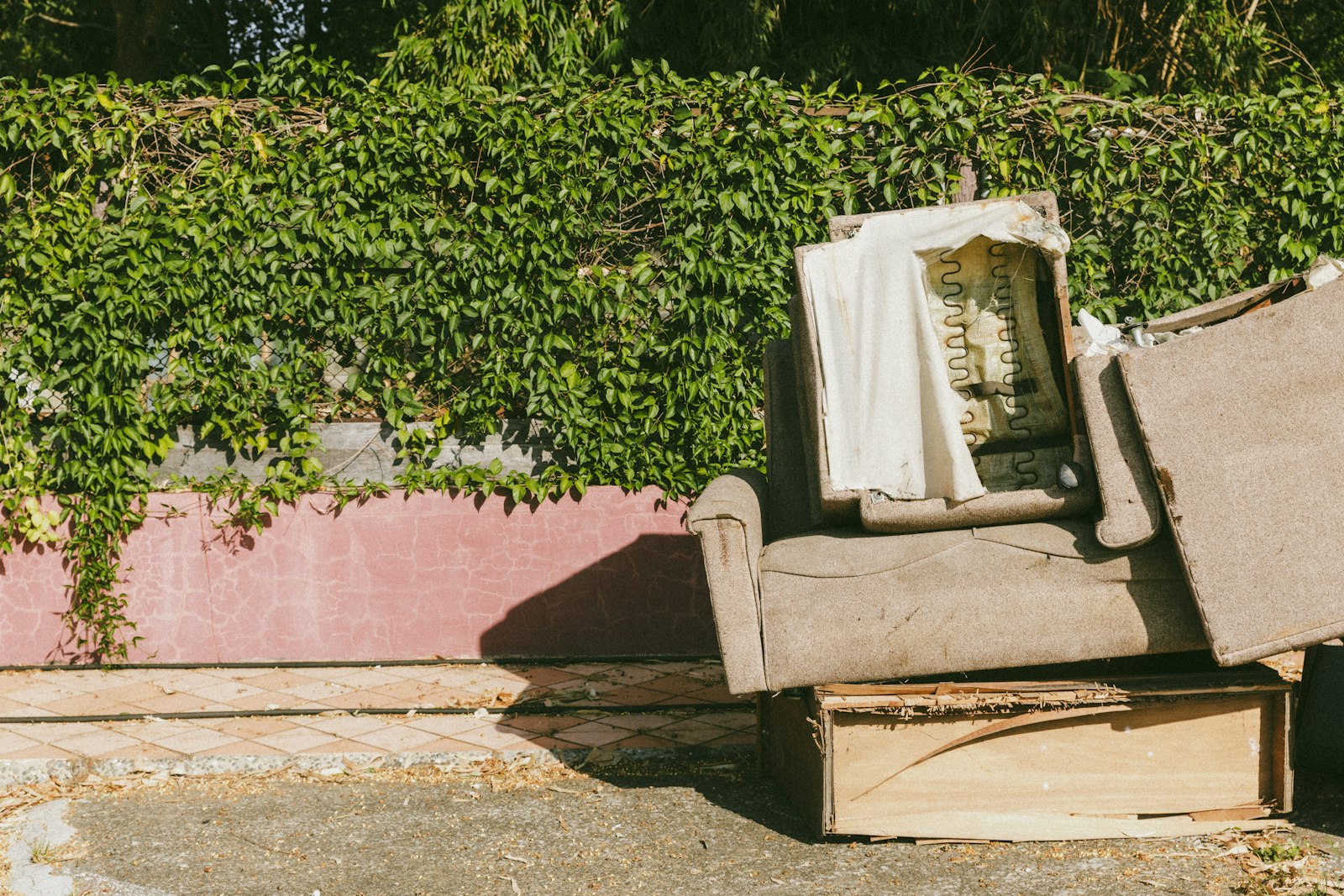
In Round Rock, many homeowners discover aging appliances during seasonal transitions—old refrigerators in garages, broken air conditioning units, washing machines nearing the end of their lifespan. Removing these items now prevents costly winter repairs and frees up valuable space for holiday storage and gatherings.
Beyond practical concerns, fall cleanup improves your property's curb appeal and energy efficiency. Clearing clutter around your foundation and HVAC systems allows air to circulate better, and replacing old, inefficient appliances can lower your utility bills significantly.
Appliance Removal Basics for Fall 2026
Appliance removal is a specialized service that goes beyond standard junk hauling. Large appliances like refrigerators, ovens, washing machines, and dishwashers contain hazardous refrigerants, sharp edges, and heavy weight that require trained handling and proper disposal methods.
Professional appliance removal in Round Rock includes:
- Safe disconnection and drainage of water, gas, or electrical lines
- Refrigerant recovery from cooling units (EPA-mandated for air conditioners and refrigerators)
- Secure loading and transport using specialized equipment
- Delivery to certified recycling or disposal facilities
- Haul-away of packaging materials and debris
Attempting DIY appliance removal often results in property damage, personal injury, and environmental violations. Hiring licensed professionals ensures compliance with state and federal regulations while protecting your home and family.
Types of Appliances Commonly Removed in Fall
As homeowners prepare for winter, several appliance categories become removal priorities. Understanding what you're removing helps with planning and cost estimation.
Refrigerators & Freezers
Refrigerators are among the most frequently removed appliances in fall. Whether upgrading to an ENERGY STAR certified model or clearing out a broken unit, professional removal is essential because refrigerators contain ozone-depleting refrigerants that must be recovered before disposal.
Washing Machines & Dryers
Laundry appliances are heavy, bulky, and often contain water inside drums and hoses. Fall is common for replacements because families prepare for colder weather when indoor laundry becomes routine. These items require drainage and careful handling to avoid water damage and mold.
Ovens, Ranges & Dishwashers
Kitchen upgrades are popular in fall, and old ovens, gas ranges, and dishwashers frequently need removal. Gas-powered appliances require special attention during disconnection to prevent safety hazards.
HVAC Units & Air Conditioners
Window air conditioning units and decommissioned HVAC components accumulate in garages and storage areas. These contain refrigerants and must be handled by certified professionals to meet Texas Commission on Environmental Quality (TCEQ) standards.
Hot Tubs & Spas
Many Round Rock homeowners remove hot tubs before winter to free up deck or patio space. These are extremely heavy and often leak water, making professional removal the safest option.
Safety First: Handling Large Appliances
Appliance removal poses multiple safety risks if handled improperly. Following OSHA safe lifting standards prevents back injury, and proper equipment prevents dropped appliances from damaging floors or causing injury.
Back & Lifting Injuries
A standard refrigerator weighs 400–800 pounds. Attempting to manually maneuver such weight without proper training or equipment causes severe back injuries, herniated discs, and muscle strains. Professional crews use dollies, hand trucks, straps, and team lifting protocols to prevent injury.
Electrical & Gas Hazards
Unplugging or disconnecting gas lines incorrectly can result in electrical shock or gas leaks. Licensed technicians know how to safely cut power before removal and verify that all connections are properly sealed.
Refrigerant & Hazardous Material Exposure
Refrigerants used in air conditioners and refrigerators are ozone-depleting substances (ODS). Releasing these into the atmosphere is illegal under federal law and harmful to the environment. EPA-certified professionals use recovery equipment to safely extract and handle these materials.
Water Damage & Mold
Washing machines, refrigerators, and dishwashers often contain standing water. Improper removal can flood floors, creating mold and structural damage. Professionals drain these appliances safely and dispose of contaminated water according to local codes.
Fall Cleanup & Appliance Removal Cost Breakdown
Costs for appliance removal in Round Rock vary by item type, accessibility, and distance to disposal facilities. Here's a transparent breakdown for 2026 pricing:
- Refrigerators / Freezers: $150–$300 per unit (refrigerant recovery adds cost)
- Washing Machines / Dryers: $100–$250 per unit
- Ovens / Ranges: $100–$200 per unit (gas disconnection may incur extra fees)
- Dishwashers: $75–$150 per unit
- Window AC Units: $50–$125 per unit
- Hot Tubs / Spas: $400–$900 (size-dependent, often requires drainage and specialized equipment)
- Combination Fall Cleanup (mixed items + yard debris): $350–$1,200 depending on volume and complexity
Hidden fees may include:
- Additional trip charges if items are in difficult-to-access locations (second-floor rooms, attics, basements)
- Appliance disposal surcharges for items requiring refrigerant recovery
- Fuel surcharges for properties far from disposal facilities
- Urgent/same-day scheduling premiums
Many homeowners bundle appliance removal with general fall cleanup (yard debris, old furniture, storage boxes) for volume discounts. Transparent pricing upfront prevents surprises—always request a quote before scheduling service.
Timeline & Planning for Fall Cleanups
Scheduling appliance removal during fall 2026 requires advance planning to avoid peak-season delays and weather complications.
Best Times to Schedule
September and early October are ideal in the Round Rock area—temperatures are mild, weather is predictable, and crews are less backlogged than in summer. By mid-November, holiday storage needs create demand surges. Plan removals at least one to two weeks in advance to secure preferred dates.
Pre-Removal Checklist
- Drain and defrost refrigerators and freezers at least 24 hours before pickup (prevents water damage and mold growth)
- Empty washing machine drums and dishwasher racks completely
- Disconnect gas or electrical connections safely (or let professionals handle this)
- Clear pathways from the appliance location to the driveway or garage entrance
- Notify neighbors if removal will involve street parking or temporary driveway access
- Measure doorways and stairwells to confirm appliances can be removed (prevents breakage and delays)
Day-Of Coordination
Confirm arrival time the day before. Ensure that someone 18+ is home to sign liability waivers and answer questions about utility disconnections. Plan for removal to take 30–60 minutes per appliance, depending on accessibility.
Safe Disposal Methods & Local Round Rock Options
Appliances cannot simply be thrown into landfills. EPA recycling guidelines require that hazardous materials (refrigerants, oils, metals, glass) be recovered and processed separately.
Certified Recycling Facilities
Licensed recycling centers in Williamson County accept refrigerators, washers, dryers, ovens, and other major appliances. These facilities:
- Extract refrigerants and oils using EPA-approved methods
- Separate metals, plastics, and glass for secondary material markets
- Dispose of hazardous components (compressors, circuit boards) at specialized sites
- Issue documentation proving proper disposal (important for tax records)
Donation Options
If appliances are still functional, donation is a viable alternative. Goodwill, Habitat for Humanity ReStore, and local charities in Round Rock accept working refrigerators, washers, and ranges. Donations qualify for appliance removal tax deductions, allowing you to reduce your tax liability while supporting your community.
Manufacturer Take-Back Programs
Some appliance manufacturers offer take-back or trade-in programs when you purchase new units. This ensures proper recycling and sometimes provides credit toward your purchase. Ask your retailer about these programs during appliance replacement.
Common Fall Cleanup Mistakes to Avoid
Learning from other Round Rock homeowners' errors helps you avoid costly and dangerous missteps during fall cleanup.
Skipping Utility Disconnection Planning
Many homeowners attempt to remove appliances while connections remain active. This creates electrical shock hazards, water leaks, and gas exposure. Always verify that utilities are safely disconnected or arrange for professional disconnection before removal begins. Read about common appliance removal mistakes to prevent costly errors.
Underestimating Access Challenges
Narrow hallways, tight staircases, and sharp corners make appliance removal more difficult and expensive. Measure and photograph your home's pathways. If access is severely limited, discuss options like window removal or partial disassembly with your service provider beforehand.
Delaying Defrosting of Refrigerators
Water from thawing ice can seep through garage floors or create mold. Defrost units 24–48 hours before removal and place towels underneath to catch residual water.
Mixing Different Item Types Without a Plan
Bundling appliances, yard waste, furniture, and construction debris requires separate handling and disposal routes. Organize items by category before the removal crew arrives to expedite the process and potentially reduce costs.
Forgetting to Document for Tax Purposes
If you donate working appliances, request a written receipt and take photos. These documents support tax deduction claims and protect you in case of IRS audits. See our guide on garage cleanup mistakes to avoid for additional planning tips.
Round Rock & Williamson County Regulations
Round Rock and Williamson County have specific rules governing appliance disposal and junk removal to protect public health and the environment.
Appliance Disposal Requirements
Texas state law (enforced by the TCEQ) mandates that refrigerants be recovered from air conditioning units and refrigeration equipment before disposal. Violators face fines up to $10,000 and potential criminal charges. Licensed removal services handle this automatically and provide proof of compliance.
Hazardous Waste Protocols
Some appliances contain hazardous components: compressor oils, Freon, capacitors with PCBs, and heavy metals (lead, mercury). These must be disposed of at designated hazardous-waste facilities, not standard landfills. Professional removal services manage this separation and documentation.
Illegal Dumping Penalties
Dumping appliances or junk on public or private land without permission is a misdemeanor in Williamson County, punishable by fines of $1,000+ and potential jail time. Always use licensed removal services or donate items through official channels.
Debris Setout Rules
Round Rock municipal code prohibits bulk items (appliances, furniture) from being placed in standard trash bins or curbside for collection. Schedule professional removal or arrange bulk pickup through the city in advance.
Preparing Your Home for Appliance Removal Day
Proper preparation ensures the removal process is smooth, safe, and efficient. A well-organized home speeds up work and reduces the risk of property damage.
Clear Access Routes
Remove obstacles from walkways, doorways, and staircases. Close doors to rooms you want to protect, and move vehicles from the driveway to allow the crew space to park and stage items. Protecting floors with cardboard or plastic sheeting prevents scuffs and water damage.
Secure Pets and Children
Removal crews need to focus on the task at hand. Confine pets to a separate room and keep children occupied elsewhere to prevent accidents and speed up the work. If you have pets, review our guide on pet-safe furniture and appliance removal for additional precautions.
Document Appliance Condition
If you plan to claim a tax deduction, photograph each appliance before removal (showing brand, model, and condition). This documentation supports your charitable deduction claim if you donate items.
Have Utilities Clearly Identified
Show the crew where water shut-off valves, electrical breakers, and gas lines are located. This prevents confusion and speeds up safe disconnection.
Prepare a Receipt Area
Have your driver's license or ID ready, and designate a clean, dry space for signing documents and receiving receipts. Professional services always provide written confirmation of items removed and disposal methods used.
Tax Deductions & Charitable Donation Opportunities
Working appliances removed during fall cleanup may qualify for federal tax deductions if donated to qualified charities. Understanding the rules maximizes your tax benefit and supports Round Rock community organizations.
Qualified Charities
The IRS recognizes donations to organizations like:
- Goodwill Industries
- Habitat for Humanity and ReStore locations
- Salvation Army
- Local food banks and social-service agencies
- Recognized religious and educational nonprofits
Deduction Requirements
To claim a deduction, appliances must be in working condition. You'll need a written receipt from the charity listing the item, description, and estimated fair-market value. Keep these documents for at least three years in case of an IRS audit.
Valuation Guidelines
The IRS allows you to claim the fair-market value—what a willing buyer would pay in your area. Used refrigerators typically value $100–$300, washing machines $150–$350, depending on age and condition. Conservative estimates reduce audit risk. Learn more in our article on appliance removal tax deductions for Texas homeowners.
Non-Working Appliances
Broken appliances cannot be donated and do not qualify for deductions. However, professional recycling facilities may accept them for proper environmental disposal. Some items (scrap metal, copper, aluminum) have residual value; ask your removal service if any value accrues to the homeowner.
Frequently Asked Questions
How long does appliance removal typically take?
Most single-appliance removals take 30–45 minutes, depending on accessibility and disconnection complexity. Larger jobs involving multiple items or challenging access (second floors, attics, basements) may take 60–90 minutes. Your removal service will provide a time estimate during the quote phase, allowing you to plan your day accordingly.
Do I need to be home during the removal, and what liability waivers should I understand?
Yes, a responsible adult must be home to grant access, answer questions about utility locations, and sign liability forms. Waivers protect both you and the removal crew by clarifying responsibility for pre-existing property damage and acknowledging that the crew is not responsible for items left behind or hidden obstacles they discover during work. Review all documents before signing and ask for clarification on any terms you don't understand.
What happens if an appliance is damaged during removal—who is responsible?
Licensed removal services carry liability insurance covering accidental damage to your home (walls, floors, doorframes). The crew documents the appliance's condition at the start of work. If damage occurs due to the crew's negligence, the insurance covers repairs. Always verify insurance coverage and limits before scheduling removal, and report any damage immediately for timely claim filing.
Can I donate a broken or partially working appliance?
Most charities accept only fully working appliances. Broken items do not qualify for tax deductions and cannot be donated through standard channels. However, certified recyclers accept non-working appliances for proper component recovery and environmental disposal. Some recyclers may pay small amounts for scrap metal content, though this is rare.
Are there environmental concerns with old appliances being removed in fall?
Yes—old appliances often contain hazardous materials like refrigerants, oils, and heavy metals. Professional removal ensures these materials are recovered and disposed of safely according to EPA and state regulations. EPA recycling guidelines mandate this process to protect groundwater, air quality, and human health. Licensed services provide documentation proving proper environmental handling.
What payment methods do removal services typically accept?
Most professional services accept credit cards, debit cards, checks, and ACH bank transfers. Some offer financing options for large jobs (multiple appliances or estate cleanouts). Confirm payment methods and get a written quote before scheduling to avoid surprises at the time of service.
How do I verify that a removal service is licensed and insured in Round Rock?
Ask for proof of business license, liability insurance, and any required Williamson County permits. Legitimate services provide this documentation without hesitation. Check online reviews on Google and the Better Business Bureau, and confirm that the company is registered with the Texas Secretary of State if operating as a corporation or LLC.
Ready to Schedule Your Fall 2026 Cleanup
Fall cleanup and appliance removal don't have to be stressful or dangerous. Whether you're upgrading kitchen appliances, clearing a garage, or preparing for seasonal transitions, professional removal services in Round Rock ensure the job is done safely, legally, and affordably.
Take action this fall—contact a licensed removal specialist to schedule your consultation. Most services offer free quotes and flexible scheduling to fit your timeline. With proper planning and expert help, you'll reclaim your space, protect your property, and enjoy a clean, organized home heading into winter 2026.
For more detailed planning, explore our guides on appliance removal checklists, estate cleanout planning, and property renovation and cleanup for specific scenarios. We're here to make your fall refresh seamless and stress-free.