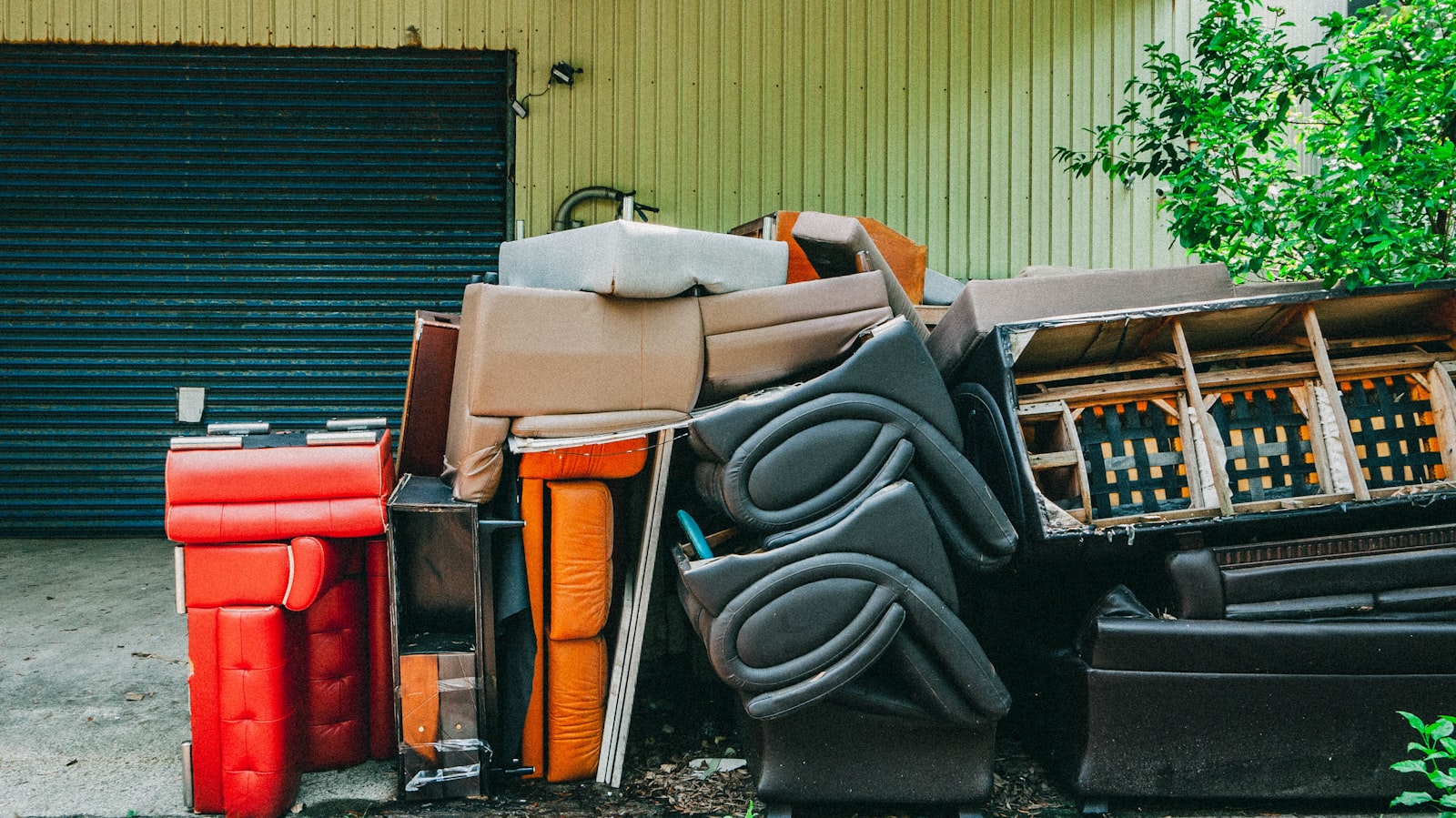
Furniture Removal Mistakes to Avoid in Anderson Mill, TX — 2026 Safety & Disposal Guide
Table of Contents
- Why Furniture Removal Mistakes Matter in Anderson Mill
- The 7 Most Common Furniture Removal Mistakes
- Lifting & Loading Safety Essentials
- Preparing Your Vehicle Incorrectly
- Preventing Damage to Furniture & Property
- Legal Disposal & Local Regulations
- Cost & Budget Mistakes
- Pet Safety During Furniture Removal
- Timing & Planning Errors
- When DIY Fails: Professional vs. DIY Trade-Offs
- Local Notes: Anderson Mill Disposal & Regulations
- Quick Furniture Removal Checklist
- Frequently Asked Questions
- Ready to Remove Furniture Safely?
Why Furniture Removal Mistakes Matter in Anderson Mill
Furniture removal seems straightforward until something goes wrong. In Anderson Mill — a fast-growing community in Williamson County with a mix of established neighborhoods and new builds — homeowners often underestimate the complexity of hauling large pieces out of tight spaces, loading them safely, and disposing of them responsibly.

A single mistake can cost you money, injure your back or shoulders, damage your home's doorways and walls, or land you in legal trouble for improper disposal. Anderson Mill residents face unique challenges: Hill Country terrain, varied home layouts from 1990s-era houses to modern builds, and strict local waste-management rules tied to Williamson County and the City of Leander guidelines.
This guide walks you through the exact mistakes homeowners make — and how to avoid them before you call in professionals.
The 7 Most Common Furniture Removal Mistakes
Mistake #1: Attempting to Remove Large Items Alone
A sectional sofa, dining table, or armoire can weigh 150–400+ pounds. Attempting to move it solo or with one untrained helper creates serious injury risk and increases damage likelihood.
- A single person cannot safely grip and maneuver large furniture through doorways or down stairs.
- Uneven weight distribution leads to dropping, tilting, and property damage.
- Overexertion causes muscle strain, herniated discs, and shoulder injuries.
Mistake #2: Not Measuring Doorways, Hallways, and Stairwells
Many Anderson Mill homeowners move a piece into a room without checking if it can actually exit the same way. This results in stuck furniture, destroyed frames, and damaged walls.
- Measure doorway width and height, including the diagonal path through corners.
- Account for baseboards, trim, and door frames when calculating clearance.
- Test a trial removal path before committing to hauling the whole piece.
Mistake #3: Using the Wrong Equipment or Vehicles
Loading an upholstered sectional into an open pickup truck without covering it exposes the fabric to rain, UV damage, and dirt. Using a passenger car's trunk for a dresser creates suspension and safety hazards.
- A vehicle bed should have protective tarps and secured straps.
- An enclosed trailer or box truck prevents weather damage.
- Heavy items must be centered and secured to prevent shifting during transit.
Mistake #4: Ignoring Proper Lifting Technique
Bending at the waist and lifting with your arms — instead of using your legs — is the leading cause of back injuries during furniture removal. OSHA ergonomics and safe lifting guidelines emphasize proper posture for heavy loads.
- Bend your knees, keep the load close to your body, and maintain a neutral spine.
- Get a good grip before lifting; never twist while holding weight.
- Take breaks every 15–20 minutes if lifting repeatedly.
Mistake #5: Not Planning for Disposal or Recycling
Removing furniture is only half the job. Dumping it illegally or abandoning it curbside violates Williamson County regulations and can result in fines.
- Verify where your furniture can be disposed of before removal day.
- Research donation options (Goodwill, Salvation Army, local charities in Leander and Cedar Park).
- Check if your furniture contains hazardous materials (flame retardants in older upholstery, varnish on wood).
Mistake #6: Underestimating the Time Required
Most homeowners assume a 2-hour job takes 30 minutes. This leads to rushed decisions, improper securing, and traffic safety risks.
- Budget 2–4 hours for a single large piece, plus travel to disposal.
- Account for disassembly (removing legs, arms, or cushions).
- Factor in weather delays, traffic, and unexpected obstacles.
Mistake #7: Failing to Protect Your Property
Doorframes, walls, flooring, and landscaping suffer easily during furniture removal. Protective measures like cardboard, moving blankets, and door-frame guards prevent costly repairs.
- Wrap large pieces in moving blankets before tilting through doorways.
- Use cardboard corner guards on door frames and wall edges.
- Protect landscaping and driveway from truck wheels and dropped items.
Lifting & Loading Safety Essentials
Your body is not a piece of moving equipment. Improper lifting during furniture removal causes more injuries than any other moving-related task.
The Correct Lifting Sequence
- Assess the load: Estimate weight and identify handles or grab points before touching.
- Position your feet: Stand with feet shoulder-width apart, one foot slightly ahead for balance.
- Bend your knees: Lower yourself by bending at the hips and knees — not your back.
- Keep it close: Pull the item toward your body before lifting; holding it away strains your back.
- Use your legs: Drive the lift through your leg muscles, not your arms or back.
- Move smoothly: Avoid jerking or twisting motions; pivot with your feet instead.
- Set it down safely: Reverse the process; squat with bent knees to lower the item.
When You Need a Furniture Dolly or Appliance Cart
A four-wheeled furniture dolly reduces strain and prevents tipping. Use one for items heavier than 50 pounds or for pieces with an awkward center of gravity.
- Place the dolly under the center of gravity, not the edge.
- Secure the load with straps before moving.
- Keep your hands free to guide and steady the dolly; do not pull with your back arched.
- Move slowly on stairs, ramps, and uneven terrain.
Preparing Your Vehicle Incorrectly
Many Anderson Mill homeowners load furniture into the first available vehicle without preparing it. This causes damage to the furniture, the vehicle, and creates safety hazards on local roads.
Essential Vehicle Prep Steps
- Clear the bed or trunk: Remove existing cargo, tools, and loose items.
- Protect the floor: Lay down a tarp, cardboard, or plywood to prevent scuffing and sliding.
- Secure straps or bungees: Gather heavy-duty straps before loading; improvising with rope is dangerous.
- Check weight limits: Pickup trucks and trailers have rated capacities; overloading voids insurance and creates control issues.
- Cover the load: Use a tarp to protect upholstery and wood from weather and UV damage during transport.
- Test the visibility: Loaded furniture must not obstruct rear-view or side mirrors; adjust your route if needed.
Common Vehicle-Prep Mistakes
Using a sedan for multiple furniture pieces, overloading a trailer past its rated capacity, and neglecting to secure items are top causes of accidents and property damage on Williamson County roads.
Preventing Damage to Furniture & Property
Your home and the furniture you're removing have resale and sentimental value. Protecting both during removal is a core part of the process.
Protecting Furniture During Removal
- Wrap before moving: Use moving blankets, furniture pads, or plastic wrap on all exposed surfaces.
- Secure loose parts: Remove and separately bag cushions, leaves for tables, or removable chair arms.
- Mark fragile spots: If a piece has veneer, inlays, or glass, clearly mark those areas and warn helpers.
- Use corner guards: Foam or cardboard corner protectors prevent edge damage in doorways and vehicles.
Protecting Your Property (Walls, Floors, Landscaping)
- Door frames: Tape cardboard over doorway edges and trim; wrap the frame with moving blankets.
- Walls and hallways: Protect baseboards and walls with temporary plywood panels or heavy-duty tape and cardboard.
- Flooring: Lay down cardboard or plastic sheeting on hardwood, tile, and carpet to prevent gouges and dirt.
- Landscaping: Position trucks and dollies on driveways, not grass; if access requires lawn traffic, lay plywood to distribute weight.
Legal Disposal & Local Regulations
Anderson Mill is part of Williamson County and falls under City of Leander jurisdiction for many services. Improper furniture disposal can trigger fines from 50 to 500+ dollars.
What You Cannot Do (Even Though It Seems Easy)
- Do not leave furniture curbside for trash pickup; most residential services do not accept large items.
- Do not dump furniture on county roads, in ditches, or on private land without permission.
- Do not burn upholstered items, plywood, or treated wood; this violates air-quality regulations.
- Do not abandon furniture at recycling centers that don't accept it.
Proper Disposal Routes in Anderson Mill
Review the Williamson County government website for approved disposal facilities. Common options include:
- Donation: Goodwill, Salvation Army, and local charities often pick up furniture for free if it's in reasonable condition.
- Bulk waste pickup: Contact your local trash hauler to see if they offer bulk pickup days.
- Landfill or transfer station: Williamson County operates recycling and disposal centers; call ahead to confirm furniture acceptance.
- Professional junk removal: A licensed hauler handles pickup, transport, and compliant disposal in one trip.
For detailed guidance on local junk removal regulations and what Williamson County allows, review the official county resources.
Cost & Budget Mistakes
Underestimating the total cost of furniture removal leads to incomplete jobs, hidden fees, or unsafe shortcuts.
Hidden Costs You May Not Account For
- Fuel and vehicle wear: Multiple trips to the landfill or donation center add up; calculate gas and mileage.
- Rental equipment: Furniture dollies, moving blankets, straps, and truck rentals are not free.
- Disposal fees: Most landfills charge by weight or piece; a large sectional may cost 20–50 dollars to dispose of.
- Damage repairs: Patching walls, repainting baseboards, or replacing flooring far exceeds the cost of professional removal.
- Medical bills: A back injury from improper lifting can cost thousands in treatment and lost wages.
Budget-Smart Alternatives
Sometimes hiring a professional furniture-removal service is cheaper than DIY when you factor in time, risk, and hidden costs.
Pet Safety During Furniture Removal
Anderson Mill homeowners with pets must take extra precautions. Dogs and cats can bolt during open-door removals, get injured by falling items, or become stressed by strangers and loud noise.
Pet-Safe Furniture Removal Steps
- Secure pets before arrival: Place dogs and cats in a locked bedroom or bathroom away from the removal area.
- Brief your removal team: Tell them about pets and any behavioral concerns (reactivity, escape risk).
- Keep pets away from heavy items: Do not allow pets near doorways or stairwells where furniture is being moved.
- Maintain feeding and potty schedules: Disruptions to routine stress pets; keep mealtimes and outdoor time consistent.
- Post-removal check: After removal is complete, check every room and closet to ensure pets did not hide and get accidentally locked in.
For detailed pet-centered strategies, see our guide on furniture removal with pets.
Timing & Planning Errors
Rushing into a furniture-removal project without a plan creates delays, safety risks, and incomplete work.
Planning the Removal Day Timeline
- Schedule in advance: Book removal helpers or professionals at least 1–2 weeks ahead.
- Confirm disposal site hours: Verify that your landfill or donation center is open on your planned day.
- Check the weather: Avoid rainy or extremely hot days; early morning or late afternoon is safer for physical work.
- Clear the path: Remove obstacles, close pets in other rooms, and protect your property the day before.
- Communicate start time: Confirm arrival time with helpers or professionals; delays cost money and create afternoon darkness hazards.
- Allow buffer time: Plan for unexpected obstacles (stuck items, longer travel to disposal, traffic).
Why Rushing Causes Mistakes
Homeowners in Anderson Mill often try to fit furniture removal into a Saturday afternoon with one helper and no plan. This leads to improper lifting, property damage, and incomplete disposal.
When DIY Fails: Professional vs. DIY Trade-Offs
A furniture removal safety guide shows that professionals handle large items daily with specialized equipment and training. Here's an honest comparison:
DIY Furniture Removal Pros & Cons
- Pro: Lower out-of-pocket cost if you have a vehicle and friends who can help.
- Con: High injury risk, slow execution, and property damage often exceeds the savings.
- Con: You must research and arrange disposal yourself; disposal fees may surprise you.
- Con: Rental equipment and multiple trips increase total time and cost.
Professional Removal Pros & Cons
- Pro: One phone call; experts handle removal, loading, and disposal in a single trip.
- Pro: Insurance covers damage; no personal liability or injury risk to you.
- Pro: Faster (1–2 hours vs. half a day or more) and you can stay out of the way.
- Con: Higher upfront cost (typically 200–600 dollars depending on item size and disposal complexity).
- Con: You must schedule in advance; emergency same-day service costs more.
Local Notes: Anderson Mill Disposal & Regulations
Anderson Mill residents have specific options for furniture disposal tied to Leander and Williamson County resources.
Anderson Mill-Area Disposal & Donation Centers
- Williamson County Recycling: Check Williamson County government for transfer-station locations and accepted materials.
- City of Leander bulk pickup: Verify whether your address qualifies for curbside bulk-item pickup (policies vary by neighborhood and service tier).
- Local charities in Leander and Cedar Park: Goodwill, Salvation Army, and furniture banks often serve Anderson Mill residents.
- Community resale shops: Some Anderson Mill neighbors may buy used furniture; Facebook Marketplace and Craigslist are common local venues.
Environmental & Safety Considerations Specific to Anderson Mill
Anderson Mill sits on the edge of the Hill Country with groundwater and tree-protected landscapes. Disposal of furniture with certain finishes (lead paint, varnish with heavy metals, or treated-wood stains) may trigger additional environmental guidelines. Always confirm with Williamson County before disposal.
Quick Furniture Removal Checklist
Before you move a single piece, run through this list to avoid mistakes:
- ☐ Measured doorways, hallways, and stairwells; confirmed furniture fits through the path.
- ☐ Identified where furniture will be disposed of or donated (call ahead to confirm acceptance).
- ☐ Arranged vehicle(s) and confirmed they can safely transport the load.
- ☐ Gathered moving blankets, straps, corner guards, and cardboard or plywood for protection.
- ☐ Secured a second (or third) adult helper; confirmed arrival time.
- ☐ Removed or bagged loose parts (cushions, table leaves, chair arms).
- ☐ Protected doorframes, walls, and flooring with cardboard or blankets.
- ☐ Reviewed proper lifting technique and agreed on a safe plan with helpers.
- ☐ Secured pets in a locked room away from the removal area.
- ☐ Confirmed disposal site is open on your scheduled day and time.
- ☐ Set realistic timeline (allow 3–5 hours including transport and disposal).
- ☐ Checked weather forecast; avoid rain or extreme heat.
For a comprehensive furniture removal checklist, see our detailed Williamson County guide.
Frequently Asked Questions
Can I Donate Furniture That's Slightly Damaged or Stained?
Many charities accept used furniture even with minor damage, stains, or worn edges — they often refurbish or resell at a discount. Call the charity before drop-off. If the item is structurally unsafe (wobbly frame, broken legs), it will be refused. Donation is always worth trying before hauling to the landfill.
What's the Weight Limit for a Standard Pickup Truck?
Most full-size pickup trucks have a payload capacity of 1,500–2,000 pounds. Never exceed this limit, even if the load "looks like it fits." Check your vehicle's manual or door-frame placard. Overloading strains suspension, reduces braking power, and is illegal on Texas roads. When in doubt, use a box truck or make multiple trips.
Is It Legal to Leave Furniture on the Curb in Anderson Mill?
No. Curbside furniture disposal is illegal in most Williamson County areas unless scheduled through a bulk-pickup program. Abandoning furniture can result in fines of 50–500+ dollars. Verify your city or county's specific bulk-pickup schedule, or arrange professional removal.
How Do I Prevent Back Injury When Lifting Furniture?
Use your legs, not your back. Bend at the knees, keep the load close to your body, and avoid twisting. Take breaks every 15–20 minutes. If an item feels too heavy or awkward, use a dolly or get a second helper. OSHA ergonomics and safe lifting guidelines provide detailed illustrations and recommendations.
What Happens If Furniture Sits in My Vehicle for Days?
Upholstered pieces absorb moisture and can develop mildew or odors. Wood furniture may warp or crack if exposed to temperature swings and humidity. Covered outdoor storage for a few days is acceptable in Texas hill-country weather, but do not delay transport. Prompt disposal or donation is safest.
Can I Dispose of Furniture at a Recycling Center Instead of the Landfill?
Most recycling centers do not accept whole furniture; they focus on metal, cardboard, and plastics. However, if you disassemble the furniture and separate materials (wood to one pile, metal to another), some facilities accept components. Call ahead. EPA recycling resources provide guidance on material-specific disposal.
What's the Liability Risk If Someone Gets Injured During Furniture Removal at My Home?
If a helper is injured on your property, you could face medical-cost liability. Homeowner's insurance may or may not cover it, depending on your policy. Professional removal services carry liability insurance, protecting you. For your own safety and legal protection, always use proper technique and do not skip safety steps.
Ready to Remove Furniture Safely?
Avoiding furniture removal mistakes saves money, prevents injury, and ensures your items are disposed of responsibly. Whether you choose DIY with a solid plan or hire professionals, the key is preparation.
Anderson Mill residents can start with our furniture removal checklist and review local junk removal regulations for Williamson County. If you'd prefer expert help handling the heavy lifting, measuring, and compliant disposal in one trip, Williamson County junk removal services can take it off your plate.
Connect with local removal professionals today and get a free estimate. Let the experts handle your furniture removal safely, legally, and efficiently — so you can focus on what matters next.