
Garage Cleanout Mistakes to Avoid in Austin, TX — 2026 Complete Safety & Disposal Guide
Index
- Planning Without a Timeline
- Ignoring Safety Hazards
- Mixing Recyclables With Trash
- Overloading Dumpsters or Vehicles
- Neglecting Environmental & Disposal Regulations
- Attempting Solo Heavy Lifting
- Underestimating the Scope and Cost
- Forgetting to Document Donations
- Disposing of Hazardous Items Incorrectly
- Rushing the Process
- Local Notes for Austin, TX
- Frequently Asked Questions
- Ready to Clean Out Your Austin Garage?
Planning Without a Timeline
One of the most common garage cleanout mistakes is jumping in without a realistic schedule. Homeowners often underestimate how long sorting, organizing, and removing items will take, leading to incomplete projects that drag on for weeks or months.
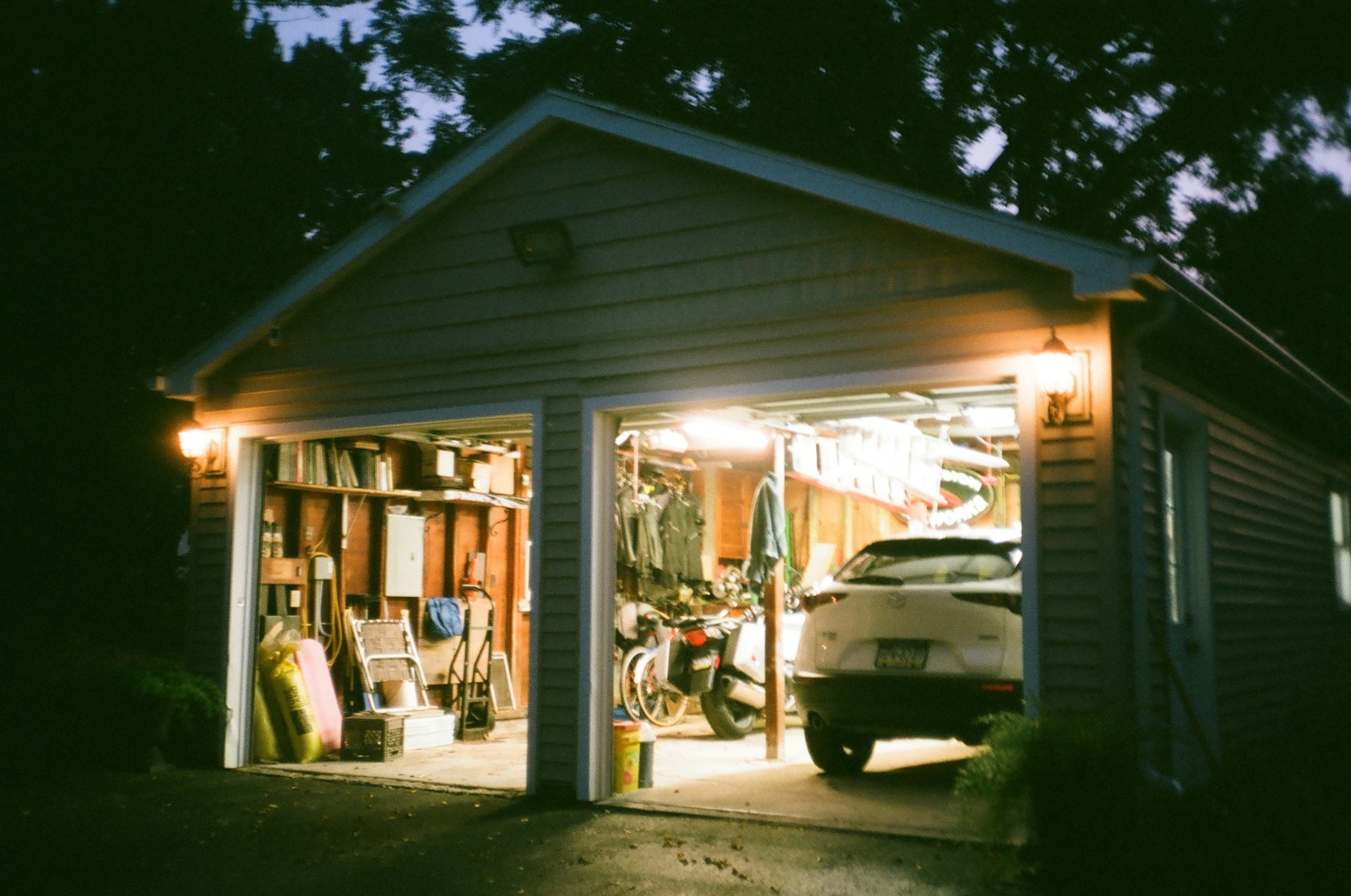
Start by setting a firm completion date—ideally 2–4 weeks from your start date. Break the project into phases: sorting (days 1–3), donation/sale organization (days 4–7), and removal (days 8–10). This prevents decision fatigue and keeps momentum strong.
Pro tip: Use a wall calendar in your garage and check off each day as you complete assigned tasks. Visible progress motivates you to finish.
Ignoring Safety Hazards
Austin garages often contain stacked boxes, rusted tools, broken glass, and unstable shelving—all hidden accident risks. Ignoring these hazards puts you at risk of injury, especially when reaching for items overhead or navigating tight aisles.
Before you touch anything, scan the space for:
- Stacked items that could topple
- Exposed nails, sharp metal edges, or broken glass
- Spilled chemicals or oil on the floor
- Frayed electrical cords or extension reels
- Dark corners and poor lighting
Install temporary work lights, wear safety glasses and heavy gloves, and follow OSHA ergonomic guidelines for safe lifting to protect your back and shoulders. When items are too large or heavy, stop and call a professional—this is where most DIY cleanout injuries happen.
Mixing Recyclables With Trash
A major environmental mistake is throwing everything into one pile destined for the landfill. Metal filing cabinets, aluminum shelving, copper wiring, and plastic storage bins are all recyclable—and many fetch cash at scrap yards.
Separate items as you sort:
- Metal items: Steel shelving, old tools, brackets, copper wiring
- Plastics: Storage bins, outdoor chairs, tubing
- Wood: Old workbenches, shelving frames (if solid wood, not plywood)
- Electronics: Fans, power tools, meters (see hazardous items section below)
- Textiles: Old rags, canvas, curtains (donation or textile recycling)
- Glass: Jars, bottles, old windows (check with your recycler first)
Consult EPA recycling recommendations and call local Austin recyclers to confirm what they accept. Many offer drop-off or pickup for metals and bulk items, often paying you in the process.
Overloading Dumpsters or Vehicles
Cramming too much into a rental dumpster or your own truck is illegal, unsafe, and costly. Overloaded dumpsters are a fire hazard, damage the truck's suspension, and can result in fines from rental companies.
Follow these capacity rules:
- 10-cubic-yard dumpster: Safe weight limit ~4,000 lbs (roughly 8–10 filing cabinets, sofas, or large shelving units)
- 20-cubic-yard dumpster: Safe weight limit ~7,000–8,000 lbs
- Your personal pickup truck: Check your vehicle's GVWR (Gross Vehicle Weight Rating) on the driver's door sticker; never exceed 80% of that limit
When in doubt, book two smaller dumpsters or make multiple trips rather than overloading. The rental cost is far less than damage fees or potential injury.
Neglecting Environmental & Disposal Regulations
Texas has strict environmental regulations for hazardous waste disposal, and Austin has added local ordinances. Dumping paint, oil, batteries, or electronics in standard landfills violates state and federal law and can result in fines.
Common hazardous garage items include:
- Paint cans and paint thinner
- Motor oil and hydraulic fluids
- Propane tanks and cylinders
- Car batteries (lead-acid)
- Fluorescent light bulbs
- Pesticides and herbicides
- Compressed-air canisters
Contact Williamson County disposal regulations or visit the City of Austin's hazardous waste facility location online. Many items can be dropped off free or at a nominal cost. For compliance with broader state standards, refer to Texas environmental disposal standards.
Attempting Solo Heavy Lifting
Trying to move a refrigerator, workbench, or stack of cabinets alone is a recipe for back injury, hernias, and property damage. One wrong lift can sideline you for weeks and turn a cleanout into a medical emergency.
Know when to ask for help:
- Anything weighing over 50 lbs should involve two people or a mechanical aid
- Tall items (shelves, cabinets) need spotters to prevent tipping
- Appliances (freezers, old AC units) require dolly and strapping
- Awkward shapes (doors, plywood sheets) need two pairs of hands minimum
Recruit friends, rent a hand truck or dolly, or hire a professional crew. The time and physical wear you save is worth every dollar.
Underestimating the Scope and Cost
Homeowners often think "it's just a garage" and budget $500 when the actual removal, disposal, and hauling fees total $1,500–$2,500. Underestimating leads to incomplete projects, rushed decisions, and buyer's remorse on items you later wish you'd kept.
Get a detailed garage cleanout cost breakdown from at least two local services. Expect to pay for:
- Labor (hourly or flat-rate crew)
- Hauling and disposal fees
- Hazardous waste handling (if applicable)
- Tip/landfill surcharges for oversized items
- Optional: donation pickup or recycling coordination
Budget 20% extra for surprises (hidden items behind walls, unexpected asbestos testing, etc.). Knowing the true cost upfront prevents sticker shock and buyer's regret.
Forgetting to Document Donations
If you're donating furniture, tools, or appliances, failing to document the donation means missing out on tax deductions. Many Austin homeowners leave hundreds of dollars on the table because they didn't photograph items or get a written receipt.
For each donation:
- Take a clear photo of the item
- Note the condition (excellent, good, fair) and estimated fair-market value
- Request a written receipt from the charity with item descriptions and totals
- Keep the receipt with photos in a folder for tax time
- Report the deduction on your Schedule A (itemized deductions) if you itemize
Even small donations add up: a used oak dresser ($150), desk ($100), and kitchen table ($120) could total $370 in deductions. Over five years of cleanouts, that's thousands in potential tax savings.
Disposing of Hazardous Items Incorrectly
Beyond regulations, improper hazmat disposal endangers your family, your neighbors, and groundwater in the Austin metro area. A leaking paint can or battery in your trash bin can contaminate soil and runoff.
Safe disposal for common garage hazardous items:
- Paint & solvents: Austin's Household Hazardous Waste Facility (HHW) accepts them free; call ahead for hours
- Motor oil: Auto parts stores (AutoZone, O'Reilly) accept used oil for free; bring containers
- Propane tanks: Never throw in dumpsters; take to a propane supplier or hazmat facility for safe refill or disposal
- Batteries & electronics: Retailers like Best Buy have e-waste programs; HHW also accepts them
- Pesticides & fertilizers: Take to HHW; never pour down storm drains
Taking 30 minutes to drop off hazmat saves your conscience, protects the environment, and keeps you legally compliant.
Rushing the Process
Pressure to "get it done this weekend" leads to hasty decisions, donated items you later regret losing, and disposal mistakes. Cleanouts are emotional—you're sorting through decades of memories and household accumulation—and rushing amplifies decision fatigue.
Signs you're rushing:
- You haven't looked at or photographed items before disposal
- You're donating or discarding items without considering family members' input (especially in shared homes)
- You're throwing recyclables and hazmat in the trash to "save time"
- You're hiring the first service you call without getting quotes
- You're skipping the safety walkthrough
Give yourself at least 2–4 weeks, take photos of valuable items before disposal, and involve household members in major decisions. A thoughtful pace also means you can resell items online, donate to friends, or plan trips to specialty recyclers—often saving money in the process.
Local Notes for Austin, TX
Austin has some unique regulations and resources that apply to garage cleanouts. The City of Austin's Environmental Criteria Manual (ECM) and Travis County regulations govern hazardous waste, and the Austin HHW Facility is a free drop-off point for paint, oil, batteries, and electronics.
Key Austin resources:
- City of Austin Household Hazardous Waste Facility: Free disposal for residents; open select hours; call ahead for schedule and address
- Austin Recycling & Solid Waste (ARCW): Provides a list of accepted materials and local drop-off locations
- Williamson County Solid Waste: Manages landfill capacity and inert debris (concrete, brick) acceptance at regional facilities
- Local donation partners: Salvation Army, Goodwill, and habitat ReStore have Austin locations and offer free pickup for large furniture items
Check Williamson County's official website for the latest disposal guidelines and facility schedules, as hours and accepted materials can change seasonally.
Frequently Asked Questions
How long does a typical garage cleanout take?
A small garage (500 sq ft, moderately cluttered) usually takes 3–5 days with one or two people working full-time. Larger garages or those packed with heavy machinery can take 1–2 weeks. Professional crews can complete most projects in 1–3 days, depending on the volume and complexity of items to be removed and disposed of.
Should I hire a professional or DIY?
DIY works if you have time, physical ability, and access to proper equipment (dolly, dumpster, hazmat knowledge). Professional services are worth it if you have back/mobility concerns, large or hazardous items, or a tight timeline. Professionals also handle disposal compliance, which saves you liability. Read our guide on comprehensive junk removal checklist to decide which approach fits your situation.
Can I recycle old metal shelving and tools?
Yes. Metal shelving, steel tools, aluminum parts, and copper wiring are highly recyclable. Scrap yards in Austin typically pay for metal by weight. Before hauling to a scrap yard, call ahead to confirm what metals they accept (ferrous vs. non-ferrous) and their current pricing. Many also offer free pickup for large quantities.
What if I find asbestos or lead paint in my garage?
Do not disturb it. Asbestos insulation, floor tiles, and lead paint require certified abatement contractors. Contact the City of Austin Environmental Health Services or a local remediation firm for testing and safe removal. This is a safety and legal issue, not a DIY project.
How much should I budget for a full garage cleanout?
Budget $800–$3,000 for a professional cleanout of an average two-car garage, depending on the volume of items, disposal fees, and labor rates in your area. Small garages may run $400–$800; very large or heavily packed spaces can exceed $4,000. Get detailed quotes from at least two local services. See our garage cleanout cost breakdown for a line-by-line estimate.
Can I donate items during the cleanout?
Absolutely. Many Austin charities (Salvation Army, Goodwill, Habitat ReStore) offer free or low-cost pickup for furniture and large items. Schedule pickups early in your cleanout timeline to avoid cluttering your driveway with too many staging piles. Always document donations with photos and receipts for tax purposes.
What about families with pets during cleanup?
Keep pets away from the active cleanout area. Falling items, sharp edges, and unexpected noise can stress or injure them. If you have cats or dogs, confine them to another room or a neighbor's home while heavy lifting and hauling is underway. Ensure your crew knows pets are present so they can take extra care around doors and gates.
Ready to Clean Out Your Austin Garage?
Avoiding these common mistakes will save you time, money, and stress. Whether you choose to tackle the project yourself or hire professionals, planning ahead, prioritizing safety, and understanding local disposal regulations are non-negotiable.
If you're managing seniors managing garage cleanouts or large-scale removal, professional help takes the physical and emotional burden off your shoulders. Local Austin crews can handle everything from sorting and hauling to hazardous waste compliance and donation pickup.
Start by setting a realistic timeline, getting at least two cost estimates, and reviewing the difference between garage and estate cleanouts to understand your scope. Then reach out to schedule a consultation and get your garage back to a clean, organized, and safe space.
Contact us today for a free estimate on your Austin garage cleanout. Call +1 512-981-8626 or visit our website to book a professional crew. We handle sorting, hauling, recycling, and hazardous waste disposal—so you don't have to.