Appliance Removal Checklist for Round Rock, TX — Complete 2026 Planning & Disposal Guide
- Planning Before Your Removal
- Document and Measure Your Appliances
- Safety Preparation Checklist
- Utility Disconnection and Cleanup
- Disposal Options for Appliances
- Clear Pathways and Access Points
- Professional Removal vs. DIY: When to Call
- Scheduling and Timing Your Removal
- What to Expect on Removal Day
- Post-Removal Tasks and Cleanup
- Round Rock Local Disposal Notes
- Frequently Asked Questions
- Ready to Schedule Your Removal
Planning Before Your Removal
Whether you're replacing an old refrigerator, upgrading your range, or clearing out multiple appliances from a remodel, a solid pre-removal plan saves time, protects your home, and prevents injury. Round Rock homeowners often discover that a few hours of planning eliminates hours of frustration on removal day.
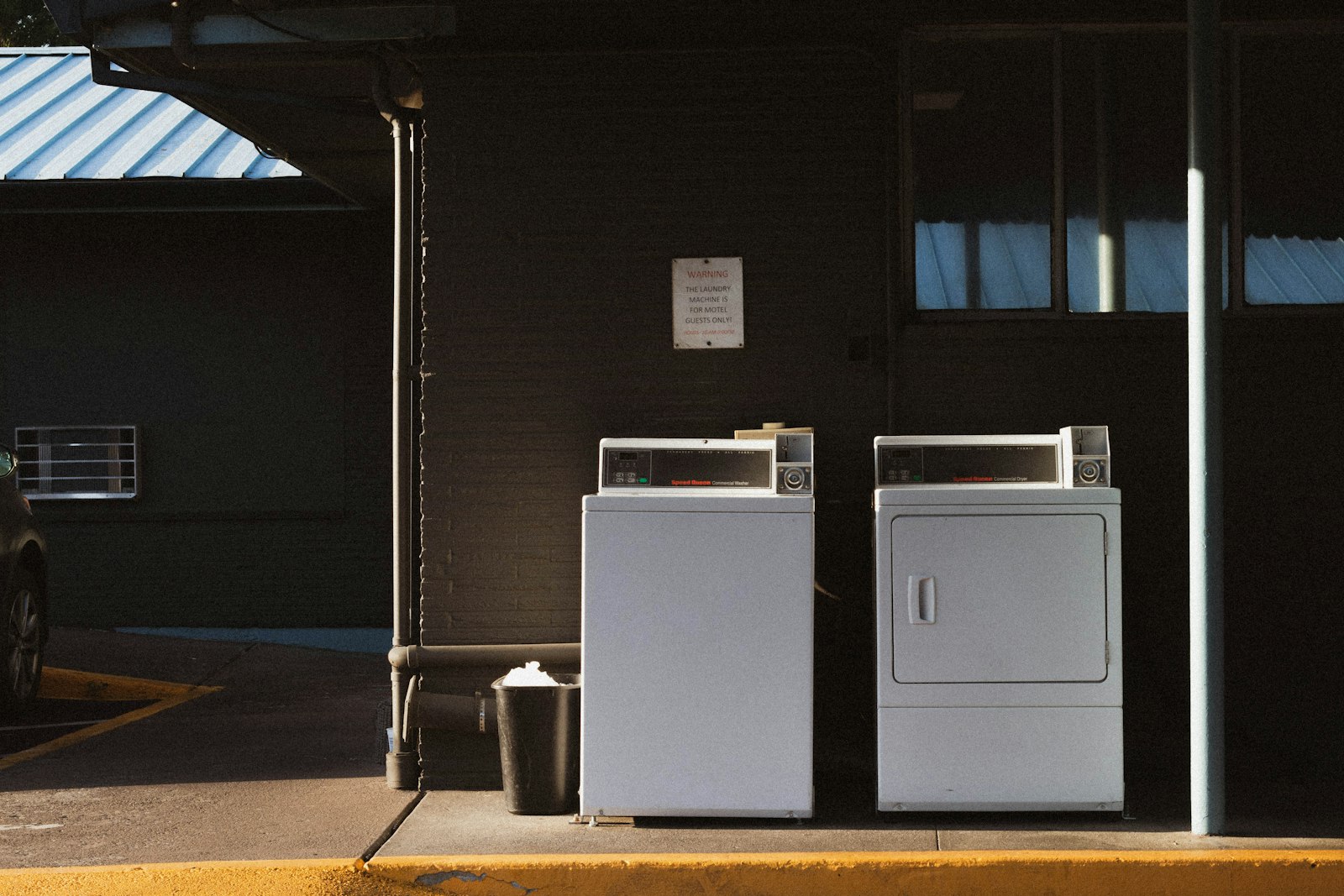
Start by identifying every appliance that needs to go. Make a list of what's leaving—refrigerators, ovens, washers, dryers, dishwashers, microwave units, air conditioning units, and any others taking up space. Note the location of each item (kitchen, garage, laundry room, etc.). This simple step clarifies scope and helps you understand the logistical complexity before professionals arrive.
Next, determine your removal timeline. Are you removing appliances during a kitchen remodel, a home upgrade, an estate cleanout, or a simple refresh? The reason matters because it shapes your urgency and available timeframe. If you're planning seasonal appliance removals, you may have more flexibility. If you're on a contractor's schedule, coordination becomes critical.
Document and Measure Your Appliances
Accurate documentation prevents surprises. For each appliance, write down its dimensions (width, height, depth) and weight estimate. This information is especially important if you're arranging a dumpster trailer rental or coordinating with multiple removal vendors.
- Refrigerators: Typically 28–36" wide, 65–70" tall, 25–35" deep. Weight: 150–350 lbs. Check if there's ice buildup inside that adds weight.
- Ranges and ovens: Usually 30" wide, 45–50" tall, 24–27" deep. Weight: 80–200 lbs depending on gas vs. electric.
- Washers and dryers: Standard units are 27" wide, 40–43" tall, 28–32" deep. Combined weight often exceeds 300 lbs for two machines.
- Dishwashers: Typically 24" wide, 34–38" tall, 24–26" deep. Weight: 80–150 lbs.
- Microwave units: Dimensions vary widely; weight usually 30–80 lbs.
Take photos of each appliance from multiple angles and note any damage, rust, or non-standard features (e.g., a built-in microwave that's hardwired to cabinetry). Photos serve as proof of condition if you're dealing with warranty issues or insurance claims.
Safety Preparation Checklist
Appliance removal is physically demanding and carries real hazards—sharp edges, heavy weight, electrical risk, and gas lines. Protect yourself and your family by following these safety steps before removal day.
- Turn off the appliance at least 24 hours before removal. Refrigerators and freezers retain cold; allow them to thaw slightly for easier handling.
- Ensure proper ventilation in the room where the appliance is located. Open windows and doors to reduce fumes and dust.
- Wear protective gear: Heavy-duty work gloves, steel-toed boots, long pants, and a dust mask. If the appliance is moldy or dirty, wear a respirator.
- Clear the surrounding area of obstacles—toys, tools, cables, loose items. A tripping hazard during removal can cause serious injury.
- Check for gas lines and electrical cords. If you see a gas connection, do not attempt removal yourself; call a professional.
Follow OSHA safety guidelines for proper lifting technique: bend your knees, keep your back straight, and never lift alone if an appliance weighs over 50 lbs. When in doubt, ask for help or hire professionals.
Utility Disconnection and Cleanup
Before moving an appliance, all utilities must be safely disconnected. This step is non-negotiable for safety and proper removal.
Gas appliances (ranges, ovens, some dryers): Turn off the gas valve at the wall or behind the appliance. If you're unsure where the valve is or how to use it, call a licensed plumber or your gas utility. Never force a gas connection or attempt to remove a gas-fueled appliance if you're unfamiliar with the procedure.
Electric appliances (refrigerators, washers, dryers, dishwashers): Unplug the appliance from the wall outlet. If it's hardwired (some dishwashers and microwaves), turn off the circuit breaker supplying that appliance and verify power is off using a multimeter or by consulting an electrician.
Water-connected appliances (washers, some refrigerators with ice makers): Shut off the water supply valve. Disconnect hoses and allow any residual water to drain into a bucket. Inspect hoses for cracks or deterioration; if they look fragile, wrap them in plastic bags to prevent leaks during removal.
Once utilities are disconnected, wipe down the appliance exterior with a damp cloth. Remove dust, debris, and any loose parts (shelves, drawers, ice-maker components). This prevents dirt from spreading throughout your home during removal.
Disposal Options for Appliances
Round Rock and Williamson County offer several disposal paths. Your choice depends on the appliance condition, your timeline, and local regulations.
Professional removal services: Hiring a junk removal company is the fastest and safest option. Crews handle loading, transport, and proper disposal—including recycling where available. Many companies, including those in the Williamson County area, arrange haul-away on the same day. Costs vary; see our appliance removal cost breakdown for regional pricing guidance.
Recycling programs: The Texas Commission on Environmental Quality oversees e-waste and appliance recycling. Many Round Rock appliance retailers offer haul-away when you purchase a replacement. Check with local scrap metal facilities—some pay for certain metals, particularly copper and aluminum.
Donation (if the appliance works): Habitat for Humanity, Goodwill, and local charities accept working appliances. Call ahead to confirm size and condition requirements. Donors typically provide pickup for large items.
Curbside pickup: Verify with the City of Round Rock's solid waste division whether large appliances can be placed curbside. Some municipalities allow it; others require special scheduling. Non-working appliances are typically ineligible for standard curbside pickup.
Clear Pathways and Access Points
Before removal crews arrive, ensure a clear, unobstructed path from the appliance location to the truck or dumpster. Even a few inches of congestion can delay the job or cause damage to doorways, walls, or the appliance.
- Measure doorways and hallways where the appliance will pass. If a refrigerator is 36" wide and your doorway is 32" wide, you'll need to tilt it—possible but risky. Alert the removal crew to this challenge in advance.
- Remove doors from cabinets or closets in the pathway if they swing into the route.
- Move furniture, rugs, and decor at least 3 feet from the removal path.
- Protect flooring by laying down cardboard or plywood runners. Appliances can scratch hardwood, tile, or carpet during movement.
- Check stairs and landings. If the appliance must go down stairs, confirm the landing size and angle. Narrow stairs or sharp turns require skilled movers or may necessitate a crane rental.
- Inspect exterior access if removal goes out a window or requires a side gate. Confirm gates open fully and the truck has adequate parking space.
A walkthrough with the removal company 24 hours before the scheduled date catches logistical issues early, preventing last-minute cancellations or extra fees.
Professional Removal vs. DIY: When to Call
The decision between DIY and professional removal hinges on safety, time, and physical ability.
Choose DIY removal if:
- The appliance is small and lightweight (under 80 lbs)—e.g., a microwave or compact dishwasher.
- You have 2–3 able-bodied helpers on hand.
- The appliance is in an easily accessible location with a clear path to your vehicle or dumpster.
- You have proper equipment (dolly, furniture sliders, hand truck) and know how to use it safely.
Choose professional removal if:
- The appliance weighs over 100 lbs or is oversized (standard refrigerator, range, washer/dryer combo).
- The appliance must pass through tight doorways, down stairs, or out a window.
- The appliance is gas-connected, hardwired, or water-fed. Disconnection requires expertise.
- You're removing multiple appliances at once.
- You don't have time to arrange disposal separately (recycling drop-off, Habitat pickup, etc.).
- You have no helpers available, are recovering from injury, or prefer to avoid physical strain.
Professional removal crews are insured and trained for the exact scenarios that trip up DIY attempts—stuck doorways, tight turns, uneven surfaces. The cost is justified by speed, safety, and peace of mind. For those managing a larger project, a complete garage cleanout checklist can integrate appliance removal into a broader decluttering plan.
Scheduling and Timing Your Removal
Timing your appliance removal around your household schedule, contractor deadlines, and weather patterns minimizes disruption.
Coordinate with contractors: If you're in the middle of a kitchen remodel or home upgrade, confirm the removal date with your general contractor or designer. They'll advise whether to remove appliances before or after other work phases.
Avoid peak seasons: Round Rock summer heat (often exceeding 95°F) and rain-heavy springs can complicate removal. Spring and fall typically offer ideal conditions—mild temps and lower humidity reduce crew fatigue and prevent mold growth if appliances sit briefly.
Book in advance: Professional removal companies often have 1–2 week lead times, especially during busy seasons (spring refresh, holiday renovations). If you need removal within 48 hours, call directly to check availability.
Allow 2–4 hours: A single appliance usually takes 1–2 hours to remove and load. Multiple appliances can take 3–4 hours. Factor in time for disconnection, pathways cleanup, and any unforeseen obstacles.
When you're ready to schedule your delivery today, provide your address, the list of appliances, and your preferred date range. Most companies offer same-week or next-week scheduling.
What to Expect on Removal Day
Understanding the removal process helps you prepare mentally and logistically for the day crews arrive. What to expect during professional removal applies equally to appliances: a team of 2–3 people, professional equipment, and an efficient workflow.
Arrival and walkthrough (10–15 minutes): Crews will inspect the appliances, confirm disconnections, and assess the removal path. They'll ask questions about obstacles or special handling needs. Be available to answer and point out any utility lines or fragile items nearby.
Preparation (5–10 minutes): Teams will lay down cardboard or runners, position dollies or equipment, and prepare the appliance for movement (removing shelves, securing doors, wrapping fragile corners).
Removal and loading (20–90 minutes, depending on appliance size and access): The crew will carefully maneuver the appliance out of your home and into the truck. Expect noise and the occasional grunt of effort. Stay out of their way but remain nearby to answer follow-up questions or manage pets.
Cleanup and departure (5–10 minutes): Professional crews typically sweep up dust and remove protective materials. The area should be left clean and ready for your next step—whether that's installing a new appliance or painting.
Payment and paperwork (5 minutes): Confirm payment method before crews arrive. Most companies accept card, check, or digital payment. Ask for a receipt and ask where your appliance is being taken (recycling facility, landfill, resale, etc.).
Post-Removal Tasks and Cleanup
Once the appliance is gone, your home isn't quite finished. A few follow-up steps ensure the space is fully ready for its next use.
- Clean the now-empty space. Vacuum and mop the area where the appliance sat. Years of dust and debris accumulate underneath large items. Use a dehumidifier if moisture or mold is visible.
- Inspect utility connections. Confirm gas, electric, and water lines are properly capped or sealed. If you disconnected them yourself, have a licensed professional verify the job.
- Check walls and flooring. Look for scratches, scuffs, or damage caused during removal. Document with photos for insurance or contractor records if necessary.
- Plan your replacement. If you're buying a new appliance, measure the space one more time (sometimes clearances are tighter than expected). Order well in advance to avoid extended lead times.
- Arrange pickup or disposal of any items removed from inside the appliance (e.g., shelves, drawers, trim pieces). Some people repurpose these; others discard them.
If you're simultaneously managing an estate cleanout or a full dumpster trailer rental, coordinate appliance removal with your broader disposal timeline to avoid multiple vendor visits.
Round Rock Local Disposal Notes
Round Rock sits in central Williamson County and offers several municipal and private disposal resources. Familiarizing yourself with local options streamlines the process and ensures compliance with city regulations.
City of Round Rock waste services: The city oversees residential solid waste collection. Large appliances are typically not accepted in curbside pickup; instead, schedule a bulky-items pickup or use a private removal service. Contact the City of Round Rock's Public Works Department for current guidelines and scheduling.
Williamson County recycling: Williamson County operates recycling centers that accept many appliances, particularly electronics and metal scrap. Check Williamson County's official website for facility locations, hours, and accepted items.
Local donations and resale: Habitat for Humanity ReStore (multiple Williamson County locations) accepts working appliances and resells them at affordable prices. Goodwill and other nonprofits also have appliance donation programs. Verify hours and size restrictions before dropping off.
Scrap metal facilities: Round Rock and nearby areas have metal recycling yards that buy aluminum, copper, and steel. If your appliance is old but the metal is valuable, scrap dealers may haul it away for free or even pay you a small amount.
HVAC and refrigerant disposal: Appliances containing refrigerants (refrigerators, freezers, air conditioning units) require certified handling in Texas. The EPA recycling overview outlines refrigerant recovery and disposal standards. Most professional removal companies handle this; if you're arranging independent disposal, confirm the facility is EPA-certified.
Frequently Asked Questions
How much does appliance removal cost in Round Rock?
Costs typically range from $100 to $500 per appliance, depending on size, type, and local disposal fees. Refrigerators and freezers are usually higher because they require refrigerant recovery. See our appliance removal cost breakdown for detailed regional pricing and what factors into each quote.
Can I remove an appliance myself if it's still connected to gas or water?
Not safely. Disconnecting gas and water lines requires knowledge of valve locations, pressure release, and leak testing. If you're unsure, hire a plumber or professional removal service. Improper disconnection risks gas leaks, water damage, or personal injury.
What happens to my appliance after it's removed?
Options include recycling (metal and component recovery), donation (if it works), or disposal at a landfill. Professional removal companies typically handle disposal as part of their service. Ask where your specific appliance will go when you schedule the removal.
Do I need to defrost my refrigerator before removal?
It's not strictly necessary, but defrosting 24 hours in advance makes the appliance lighter and prevents water from dripping during transport. Turn it off, allow ice to melt, and drain the water. Wipe the interior dry before movers arrive.
How long does appliance removal usually take?
A single appliance typically takes 1–2 hours from arrival to departure (including inspection, disconnection, protective wrapping, and loading). Multiple appliances can take 3–4 hours. Unusual access challenges (stairs, tight doorways, gas lines) may extend the timeline.
Can removal crews take an appliance apart to fit through a doorway?
Some items (refrigerator doors, range elements, dishwasher racks) can be removed temporarily to reduce overall width. However, disassembly requires expertise and sometimes voids warranties. Discuss this possibility with the removal company when scheduling if you suspect a tight fit.
Are there any appliances my removal service won't take?
Most professional services accept standard household appliances. However, commercial equipment (restaurant ranges, industrial freezers), very old or damaged items, and appliances with refrigerants may require special handling or certification. Confirm your specific appliances when you call to book.
Ready to Schedule Your Removal
Planning an appliance removal doesn't have to be overwhelming. This checklist simplifies every step—from safety prep and utility disconnection to disposal options and what to expect on removal day. Round Rock homeowners and real estate investors rely on professional removal to stay on schedule and keep their homes and crews safe.
When you're ready to move forward, gather your appliance list, confirm your preferred date, and reach out. Whether you need a dumpster trailer rental for a larger renovation or professional haul-away for a single refrigerator, the process is straightforward. Most companies offer same-day or next-week availability.
Schedule your delivery today and let the professionals handle the heavy lifting. Your home—and your back—will thank you.