
Junk Removal for Pet Owners in Leander, TX — Complete 2026 Pet-Safe Cleanup Guide
Index
- Why Pet-Safe Junk Removal Matters
- Identifying Toxic and Hazardous Items for Pets
- Pre-Removal Pet Containment Planning
- Common Household Junk That Poses Pet Risks
- Step-by-Step Pet-Safe Removal Process
- Noise, Stress, and Anxiety Management During Cleanup
- Post-Removal Pet Safety Checks
- Professional vs. DIY — Pet Owner Considerations
- Seasonal Considerations for Leander Pet Owners
- Local Leander Resources and Regulations
- Frequently Asked Questions
- Ready to Schedule Pet-Safe Junk Removal?
Why Pet-Safe Junk Removal Matters
Junk removal in your Leander home becomes exponentially more complex when pets are present. Dogs, cats, rabbits, and other animals are curious by nature, and an unsecured junk-removal site exposes them to cuts, toxic chemicals, sharp metal edges, and choking hazards. Every year, thousands of pets suffer preventable injuries during home cleanouts or renovations — injuries that cost owners thousands in veterinary care and cause unnecessary suffering.
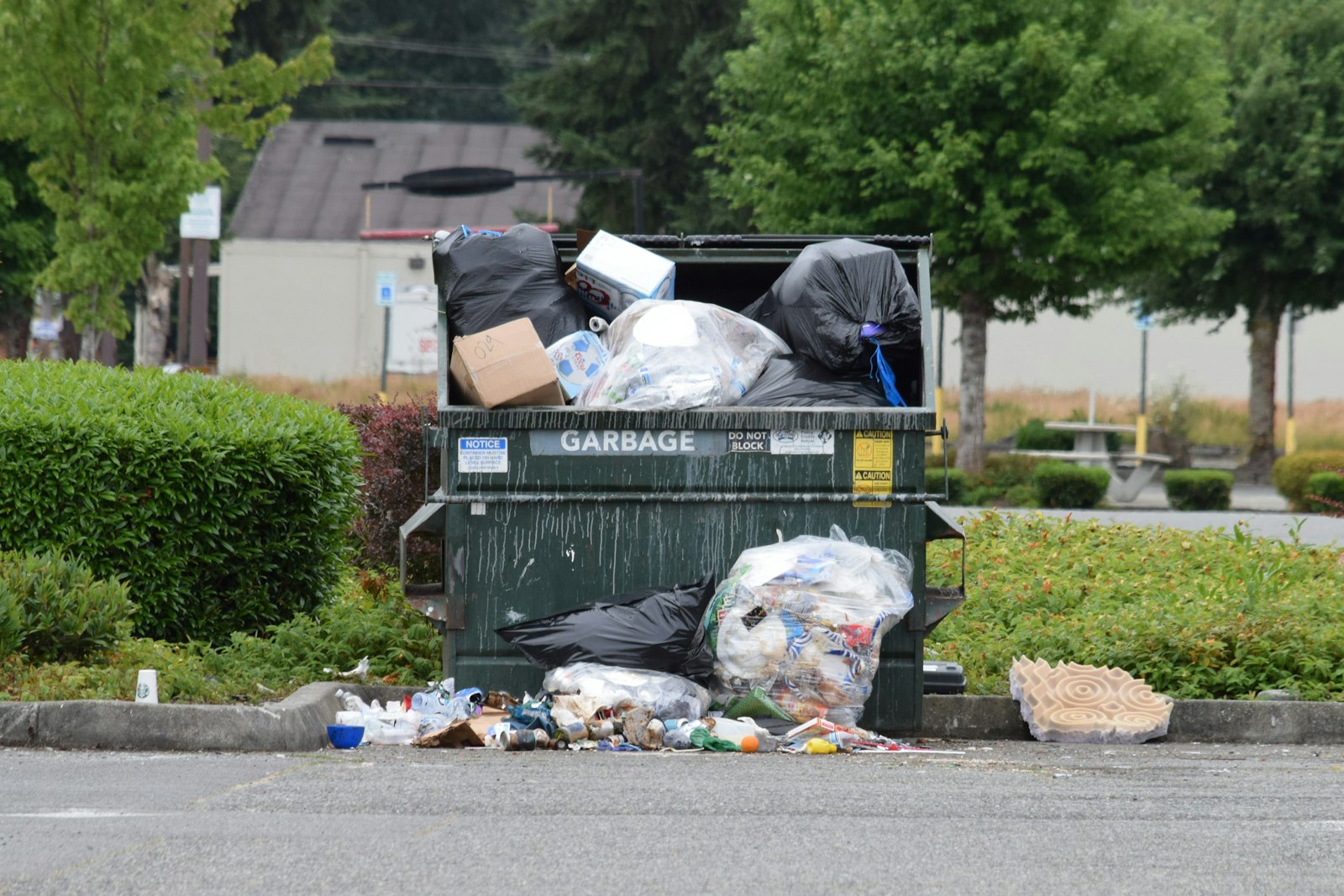
Pet-safe junk removal isn't just kindness; it's a practical necessity. A professional crew trained in pet-aware protocols knows how to isolate work zones, safely manage animals, and dispose of hazardous materials that might otherwise poison or injure your companion.
Identifying Toxic and Hazardous Items for Pets
Before any crew arrives, you must identify what in your junk pile poses a real danger. Many common household items are toxic to pets and require immediate segregation during removal.
Chemical and Cleaning Products
Antifreeze, paint thinners, pesticides, rodent poisons, and household cleaners are deadly to pets in even small doses. If these items are being discarded, they must be separated and handled according to Texas Commission on Environmental Quality standards. Never allow a pet to roam freely while chemical containers are present, even if they appear sealed.
Electrical Items and E-Waste
Old televisions, computer monitors, and broken electrical appliances contain materials that can cause burns or toxicity if chewed or punctured. E-waste recycling in Leander requires specialized disposal; inform your removal team immediately if e-waste is involved.
Small or Sharp Objects
Broken glass, nails, screws, wire, and ceramic shards create puncture and laceration risks. Pets investigating a pile of junk can easily cut their paws or mouth. Contain these materials in sealed boxes or bags before removal crews arrive.
Medications and Supplements
Expired or discarded human medications are extremely dangerous to pets. Even a single tablet can cause serious harm. Keep medications in a separate, sealed container and inform your removal team that pharmaceuticals are present.
Pre-Removal Pet Containment Planning
The single most effective safeguard is separating your pets from the junk-removal zone entirely. Plan this containment at least 48 hours before your scheduled removal.
Create a Pet-Safe Room
Designate a quiet, interior room (bedroom, bathroom, or laundry room) as a pet sanctuary during removal. Stock it with:
- Fresh water bowls
- Food and litter boxes (for cats)
- Comfortable bedding or crate
- Toys or chews to reduce anxiety
- A "Do Not Disturb" sign on the door for crew members
Arrange Off-Site Care
For highly anxious pets or extended removal jobs, consider boarding them at a local facility or arranging a friend to watch them at another home. A few hours away from the noise and activity is often less stressful than confinement, even in a safe room.
Secure Outdoor Pets
If you have outdoor animals (dogs on chains, goats, chickens), ensure they are in a fenced area far from the removal site. Open gates and crew activity can cause escape or injury. Inform your removal coordinator of outdoor pets so they plan their vehicle placement carefully.
Common Household Junk That Poses Pet Risks
Understanding what in your home is genuinely dangerous helps you prepare and communicate with removal crews.
Broken Furniture
Stuffing from sofas and chairs, wooden splinters, metal springs, and nails are all hazards. See our guide on furniture removal safety considerations for more detail.
Old Appliances
Refrigerators, ovens, and washers often contain sharp edges, rust, and residual chemicals. Pets curious about these items can be injured. Appliance removal pricing varies, but professional crews know safe disconnection and disposal protocols.
Garden and Yard Materials
Fertilizers, pesticides, old mulch, and decomposing plant matter can harbor mold toxins or contain harmful chemicals. Keep pets away from yard debris piles during cleanup.
Insulation and Drywall Dust
Particles from old insulation or drywall can irritate respiratory systems and eyes. Ensure pets are in a separate, sealed room if these materials are being removed.
Batteries and Metal Items
Corroded batteries leak toxic materials, and rusty metal can cause cuts. These should never be accessible to curious animals.
Step-by-Step Pet-Safe Removal Process
1. Schedule and Communicate
When booking your junk removal, explicitly state that you have pets. Provide details: species, size, temperament, and any behavioral issues. A professional crew will adjust their approach accordingly.
2. Pre-Removal Walkthrough
On removal day, meet the crew 15–30 minutes before work begins. Show them where pets are contained, point out hazardous items, and confirm the work plan. Ask if they need anything from you (extra space, water for workers, etc.).
3. Isolate and Secure
Ensure your pet is in its designated safe room with the door clearly marked and locked. Double-check windows are closed and no escape routes exist.
4. Monitor and Communicate
Stay home during removal, or assign someone to be present. Keep communication open with the crew. If your pet becomes distressed, let the crew know — they can adjust their pace or take breaks.
5. Post-Removal Inspection
Once the crew finishes, inspect the entire home before releasing your pet. Check for:
- Broken glass or sharp debris
- Open doors or windows
- Spilled chemicals or hazardous residue
- Damaged baseboards or flooring your pet might ingest
Noise, Stress, and Anxiety Management During Cleanup
Junk removal is loud. Trucks backing up, items clattering, tools running — all of this can terrify pets and trigger behavioral issues that linger for days.
Reduce Auditory Stress
Play white noise, soft music, or leave a radio on in your pet's safe room. Close windows to muffle external sounds. Many pet owners use white-noise apps or pet-specific calming playlists available on streaming services.
Use Calming Aids
Consider:
- Natural supplements: CBD treats or calming chews (consult your vet first)
- Pheromone diffusers: Feliway (for cats) or Adaptil (for dogs) mimic natural calming scents
- Anti-anxiety medication: If your pet has severe anxiety, ask your vet for a short-term sedative to take on removal day
Maintain Routine
Feed your pet at normal times and keep regular schedules as much as possible. Predictability is comforting during chaos.
Post-Removal Pet Safety Checks
Once the crew leaves, your work as a pet-safe household manager isn't over. A thorough post-removal inspection is critical.
Check All Access Points
Doors, windows, and gates should be secure. Crews focused on loading may accidentally leave entry points open. Walk your entire property before letting pets roam freely.
Inspect for Debris
Use a flashlight to check under furniture, in corners, and along baseboards. Pets are experts at finding tiny hazards.
Ventilate
Open windows for 30–60 minutes to clear dust and any lingering odors, especially if chemical items were removed.
Observe Your Pet Closely
Watch for signs of injury or distress over the next 24–48 hours: limping, excessive salivation, vomiting, diarrhea, difficulty breathing, or behavioral changes. Contact your veterinarian immediately if you notice anything abnormal.
Professional vs. DIY — Pet Owner Considerations
Pet owners often wonder if they can handle junk removal themselves to save money. The answer depends on the scope and your pet's behavior.
When DIY Works
- Small, non-hazardous items (old clothes, books, toys)
- A calm pet that respects boundaries
- Junk that fits in your vehicle
- No heavy lifting required (reducing injury risk to you and proximity to your pet)
When Professional Removal Is Safer
- Hazardous materials (chemicals, medications, e-waste, appliances)
- Heavy furniture or large items
- Anxious or reactive pets
- Extensive junk requiring multiple trips
- You're unsure what's safe to touch or transport
Professional crews carry liability insurance, know how to handle hazardous materials safely, and reduce your exposure to injury. For pet owners, the added safety margin is well worth the cost. See common junk removal mistakes to understand why professionals often prevent costly errors.
Seasonal Considerations for Leander Pet Owners
Leander's climate and seasonal changes affect how and when you should schedule pet-safe junk removal.
Summer (June–August)
Texas summers are intense. Heat stress is real for pets, especially during extended removal operations. Schedule early morning removals (7–9 AM) to minimize pet exposure to high temperatures. Ensure your pet's safe room is air-conditioned.
Fall and Spring
These mild seasons are ideal for junk removal. Outdoor temperatures are comfortable, and your pet's safe room doesn't need extreme climate control. Spring is also a popular season for spring cleaning and moving, so schedule early.
Winter
While Leander winters are generally mild, sudden cold snaps do occur. Ensure your pet's safe room is warm enough. If you're removing items from unheated spaces (garage, shed, attic), pets confined indoors won't be affected, but be aware that removal crews may work slower due to cold.
Local Leander Resources and Regulations
Understanding local regulations helps you comply with proper disposal standards and protect your community's environment — which, in turn, protects all local pets.
City of Leander Guidelines
The City of Leander has specific ordinances regarding bulk waste pickup and hazardous material disposal. Contact the city's Public Works or Code Enforcement to confirm what can be curbside versus what requires special handling.
Hazardous Waste Disposal
Williamson County and the Texas Commission on Environmental Quality regulate hazardous waste. Items like paint, oils, batteries, and pesticides cannot be disposed of in regular junk removal. Professional crews know these regulations and will either recycle or properly dispose of hazardous items.
Animal Control and Pet Safety Laws
Leander has local animal control services. If a stray or injured animal appears during your junk removal, contact animal control immediately rather than attempting to handle it yourself.
Frequently Asked Questions
Can my pet stay home in a different room during junk removal?
Yes, this is the standard and safest approach. Choose a quiet interior room (bedroom, bathroom, laundry room) far from the junk removal activity. Provide water, food, litter (if a cat), bedding, and toys. Close and lock the door, and place a "Do Not Disturb" sign so crew members know not to open it. This containment prevents escapes, protects your pet from hazards, and reduces stress from noise.
What if my pet is terrified of loud noises?
Use white noise or calming music in the safe room to mask removal sounds. Consider pheromone diffusers (Feliway for cats, Adaptil for dogs) or calming treats recommended by your vet. For severe anxiety, ask your veterinarian about short-term anti-anxiety medication to administer on removal day. Keep your pet's routine stable (normal mealtimes, regular walks post-removal) to reinforce security.
How do I know if something in my junk pile is toxic to my pet?
Common toxins include antifreeze, pesticides, cleaning products, medications, chocolate, xylitol (sugar substitute), grapes, onions, and certain plants. If you're unsure about an item, assume it's hazardous and separate it. When booking removal, describe all chemical or medication items to the crew. If your pet ingests something unknown, contact your veterinarian or the ASPCA Animal Poison Control Center (888-426-4435) immediately.
Should I hire a professional crew, or can I do junk removal myself if I have pets?
Professionals are strongly recommended if you have hazardous materials, heavy items, or pets prone to anxiety. DIY removal is feasible only for small, non-hazardous junk your pet won't encounter. Professional crews understand pet safety protocols, carry liability insurance, know hazardous-material regulations, and manage large-scale operations safely. The investment protects your pet and reduces your injury risk.
What do I do immediately after the removal crew leaves?
Inspect your entire home for debris, broken glass, open doors, and spilled chemicals before releasing your pet. Check under furniture, along baseboards, and in corners with a flashlight. Ventilate by opening windows for 30–60 minutes. Keep your pet indoors for the first 24 hours post-removal, observing for signs of injury or distress (limping, excessive drooling, vomiting, breathing difficulty). If anything seems wrong, contact your vet immediately.
Can I schedule junk removal for a specific time to minimize pet disruption?
Yes, coordinate with the removal team. Early morning (7–9 AM) removals are often quieter and shorter, minimizing stress on pets. Avoid peak heat hours in summer. Discuss the expected duration so you can plan your pet's comfort accordingly. Some crews offer off-peak scheduling for customers with specific needs — just ask when you book.
Are there any Leander-specific disposal regulations I should know about?
Yes. Check the City of Leander's website for bulk waste pickup guidelines and curbside restrictions. Hazardous materials (paint, oil, batteries, pesticides) require special disposal per TCEQ standards. Professional removal crews handle compliance; if you DIY, confirm regulations before disposal to avoid fines and environmental harm.
Ready to Schedule Pet-Safe Junk Removal?
Pet owners in Leander deserve a junk removal experience that prioritizes both safety and peace of mind. When you choose a crew trained in pet-aware protocols, you're not just removing clutter — you're protecting your furry family members from injury, toxicity, and stress.
Your next step: Call our team and describe your pet(s), junk type, and any hazardous items. We'll assess the scope, confirm pet-safety protocols, and schedule a time that works for your household. Whether you're dealing with a small closet cleanout or a full estate junk removal, we know how to work around your pets — safely and efficiently.
For related guidance, explore family-focused junk removal strategies, our junk removal checklist for homeowners, and Williamson County junk removal services details. We're here to make your Leander home safe and clutter-free — pet priorities included.